

What Is Sustainable Waste Management? A Complete Guide
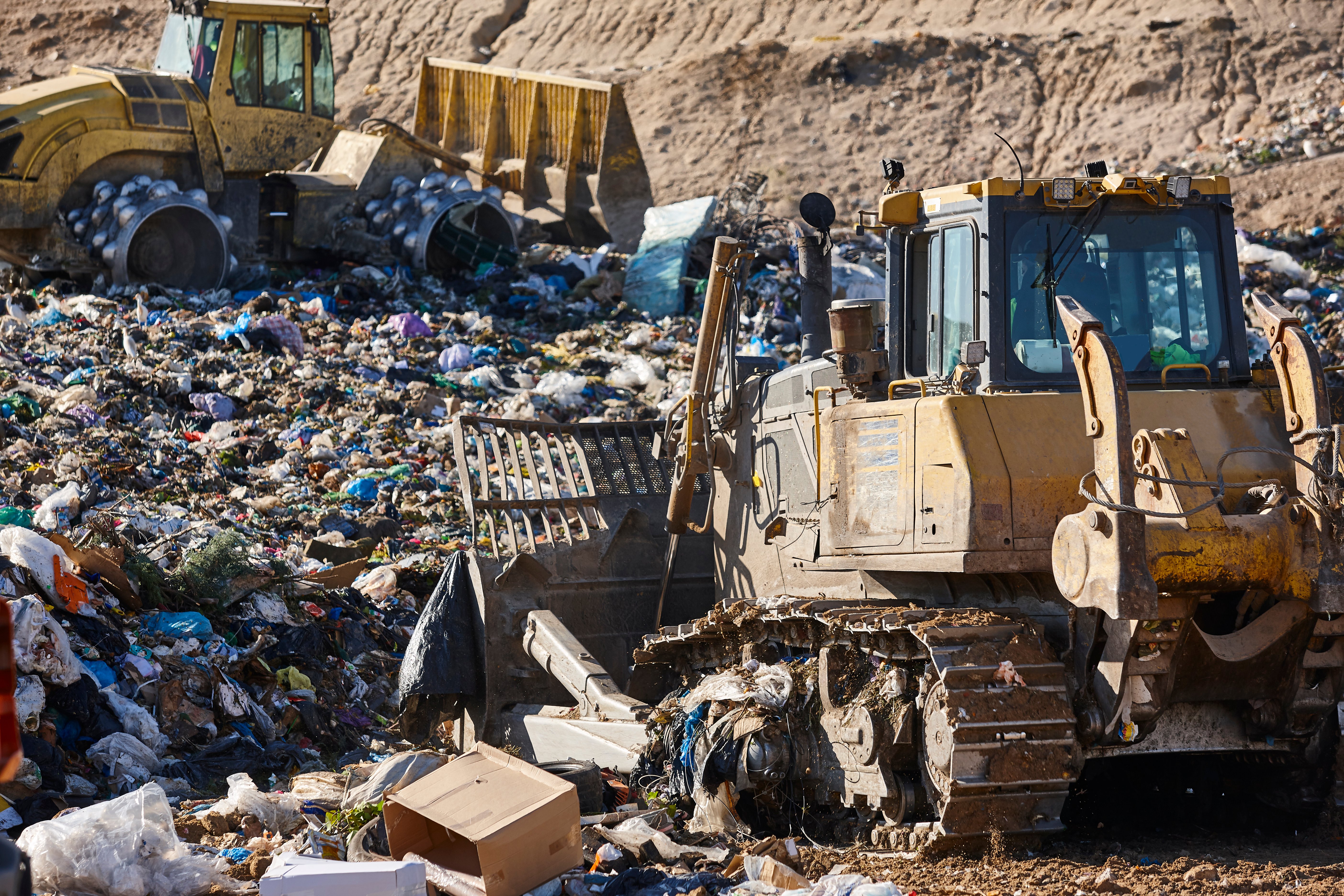
Every year, millions of tons of waste are produced across industries, communities, and households. The challenge is where to put it and how to handle it responsibly, efficiently, and with purpose.
Sustainable waste management provides that answer. It involves transforming what was once considered waste into something valuable, like energy or raw materials.
At Reworld, we believe sustainability doesn’t require compromise. Our work is rooted in the idea that smarter waste management can deliver environmental progress and business performance at the same time. Through innovation, data, and collaboration, we help our partners reduce waste generation, recover resources, and make measurable progress toward a circular economy.
What Is Sustainable Waste Management?
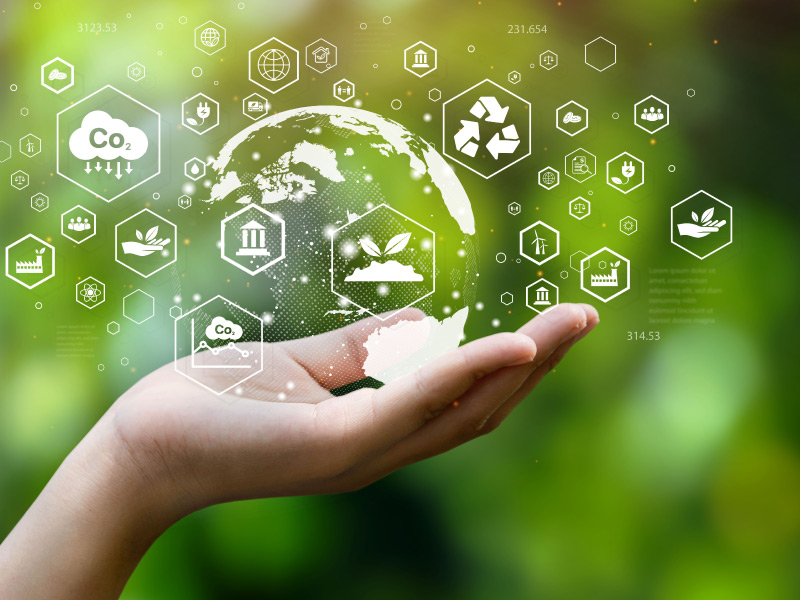
Sustainable waste management is a necessary evolution in how we think about resources, responsibility, and the future. It’s the process of handling waste in ways that reduce environmental impact, conserve resources, and support long-term ecological balance. Rather than viewing waste as something to dispose of, it reimagines waste as a potential resource—a material that can be recovered, reused, repurposed, or converted into new forms of energy.
The goal of sustainable waste management is to minimize the volume of waste sent to landfills, lower greenhouse gas emissions, and promote circular systems where materials stay in use longer.
A sustainable waste management approach combines environmental responsibility with economic and social value. It integrates strategies like recycling, composting, waste-to-energy (WTE) recovery, and advanced sorting technologies to make sure that discarded materials contribute to future productivity rather than pollution. This approach aligns closely with the principles of a circular economy; in other words, one that prioritizes regeneration and resource efficiency over the traditional take-make-dispose model.
How Does Sustainable Waste Management Work?
Sustainable waste management is a multi-step process that connects innovation, data, and environmental responsibility to ensure that materials are handled in the most efficient and beneficial way possible. Each stage in this interconnected system makes a significant contribution.
Waste Minimization at the Source
The process begins with waste minimization, which involves reducing waste generation at the source through smarter product design, packaging optimization, and conscious consumer and business practices. By preventing unnecessary waste from being created, organizations can significantly reduce downstream environmental impacts.
Sorting and Segregation
Once waste is produced, effective sorting and segregation determine the success of recycling and recovery efforts. Materials are separated into recyclables, organics, and hazardous waste so that each type can follow the correct treatment pathway. Proper segregation improves recycling rates and helps maintain safety and compliance.
Recycling and Composting
Recycling and composting transform waste into valuable secondary resources. Recycled plastics can become new consumer products, metals can be melted and reused, and organic matter can be converted into compost or biogas, all of which support new cycles of production and energy generation.
Energy Recovery
For residual materials that cannot be recycled, energy recovery offers a sustainable alternative to disposal. Advanced Thermomechanical Treatment Facilities use WTE technology to convert these materials into usable heat or electricity, which reduces landfill reliance and generates renewable energy in the process.
Data-Driven Decision-Making
Sustainable waste management is also guided by data-driven decision-making. Through digital tracking, material audits, and lifecycle assessments, organizations can monitor performance, identify efficiencies, find opportunities, and continually improve sustainability outcomes to create a smarter and more circular approach to waste management.
Why Is Sustainable Waste Management Important?
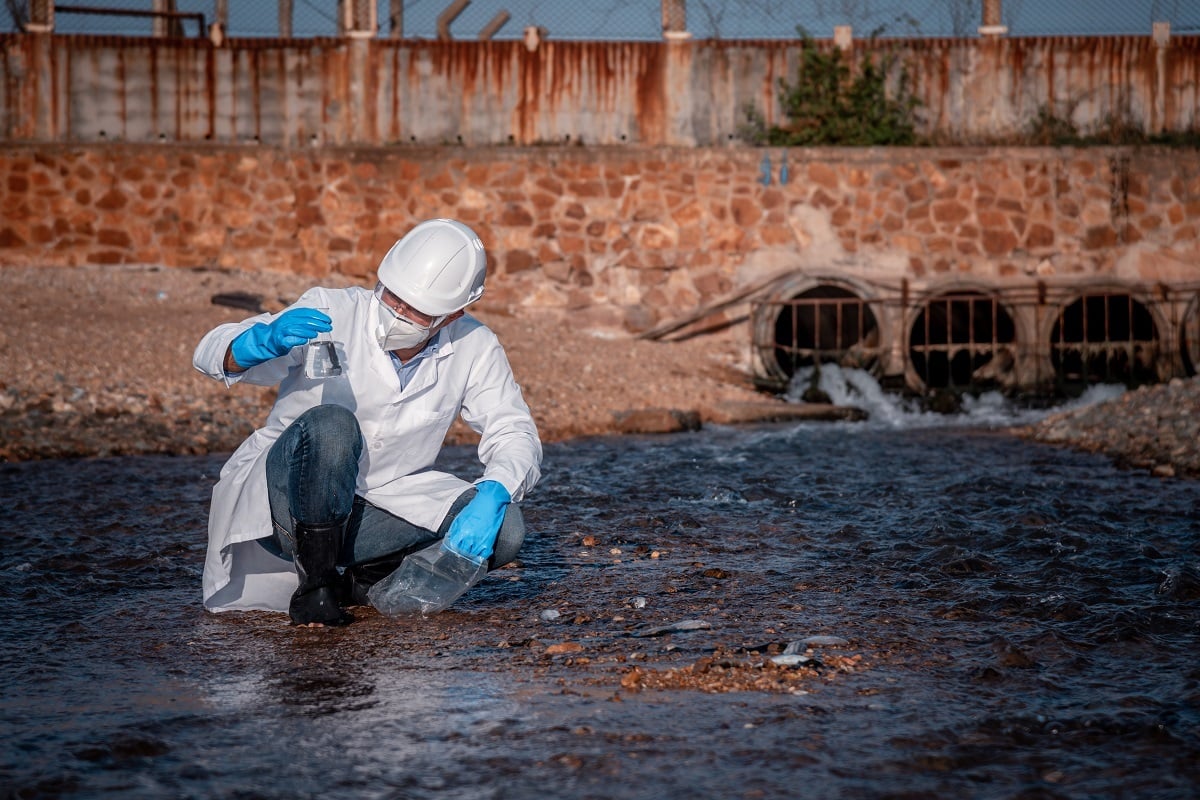
Sustainable waste management is vital because it directly impacts environmental health, public well-being, and economic resilience. Poorly managed waste contributes to air and water pollution, greenhouse gas emissions, and resource depletion. In contrast, sustainable waste practices preserve natural ecosystems, reduce reliance on virgin materials, and help combat climate change.
By treating waste as a resource, communities and organizations can reduce costs, conserve energy, and create new industries around material recovery and recycling. This shift not only supports a cleaner environment but also drives local job creation and innovation in green technologies. For governments and businesses, adopting sustainable waste practices has become a key part of meeting environmental, social, and governance (ESG) goals and demonstrating environmental stewardship to stakeholders.
Ultimately, sustainable waste management supports the vision of a circular economy, where economic growth and environmental responsibility go hand in hand. It represents a smarter, more responsible way to manage society’s byproducts so that future generations inherit a healthier, more balanced planet.
What’s the Difference Between Traditional and Sustainable Waste Management?
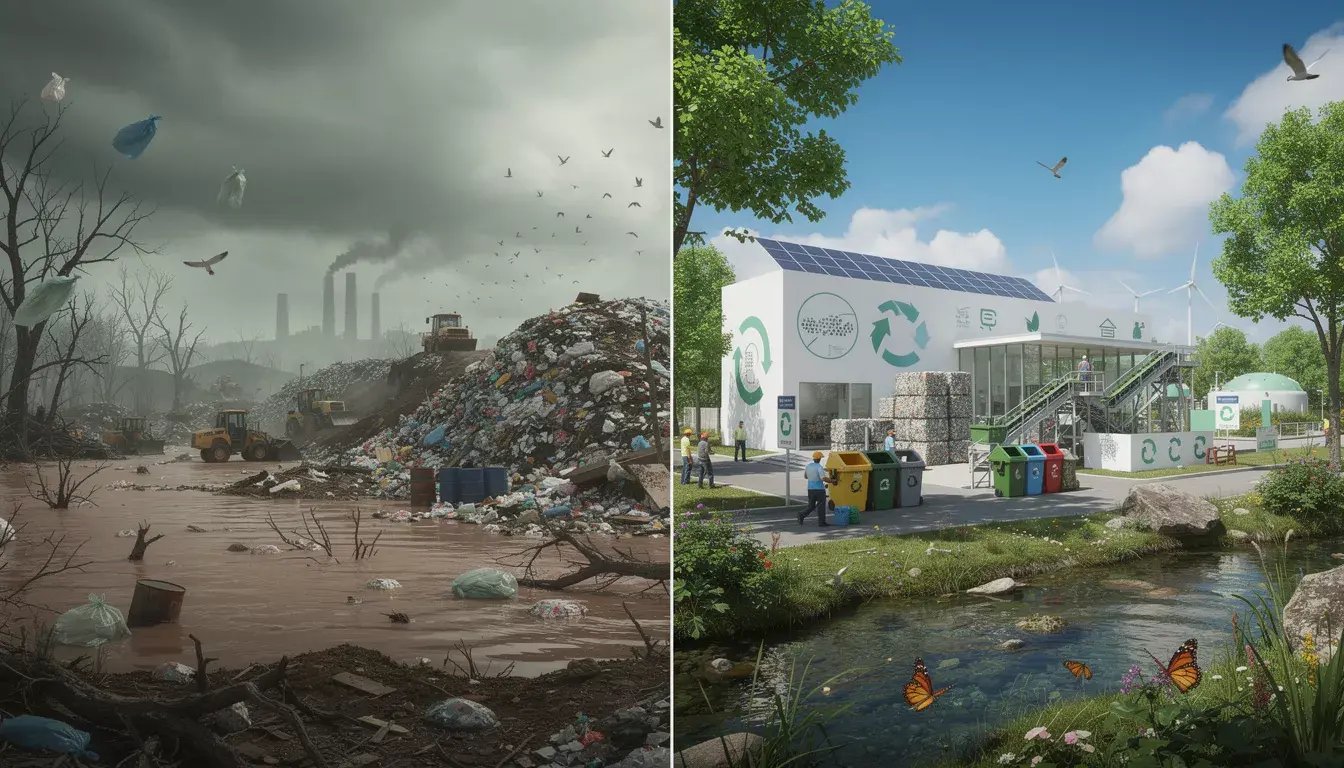
Traditional waste management focuses primarily on disposal—collecting, transporting, and dumping waste into landfills. Its goal is simple: to remove waste from sight., giving rise to the idea of “throwing things away.” While this approach has served short-term needs, it often leads to long-term environmental harm, including pollution, methane emissions, and the loss of valuable materials that could have been reused.
Sustainable waste management, on the other hand, emphasizes prevention, recovery, and reuse. Instead of seeing waste as an endpoint, it views it as part of a larger resource cycle. Materials are designed for durability and recyclability, and every stage from production to disposal is evaluated for its environmental footprint. The focus shifts from managing waste volume to managing material value.
In short, traditional waste management answers the question, “How do we get rid of waste?” while sustainable waste management asks, “How can we make waste work for us and the planet?” The difference lies in mindset, innovation, and accountability; in other words, moving from reactive disposal to proactive transformation.
What Are the Goals of Sustainable Waste Management?
The goals of sustainable waste management extend far beyond simply keeping waste out of landfills. They focus on building systems that protect the environment, conserve resources, and create long-term economic and social value.
Some of the key objectives of sustainable waste management include the following:
- Waste reduction at the source: Encouraging responsible design, production, and consumption to prevent unnecessary waste before it occurs
- Resource recovery: Maximizing the reuse, recycling, and recovery of materials to extend their lifespan and minimize the need for new raw materials
- Pollution prevention: Reducing emissions, leachate, and contaminants that result from traditional waste disposal methods
- Circular economy integration: Designing systems where materials continue to circulate productively rather than being discarded
- Sustainability education: Empowering individuals, businesses, and communities to adopt sustainable habits that collectively reduce waste
The overarching goal is to create a closed-loop system where every material has ongoing value. Sustainable waste management seeks to balance environmental protection with economic opportunity, proving that reducing waste and increasing efficiency can coexist.
By aligning these goals, organizations and communities can build a cleaner, more resilient future where waste is no longer seen as a burden but as a valuable resource waiting to be reimagined.

How Does Sustainable Waste Management Help the Environment?
Sustainable waste management helps protect the environment by reducing pollution, conserving resources, and curbing the effects of climate change. When waste is managed responsibly, fewer materials end up in landfills where they emit methane or leach harmful chemicals into the soil and groundwater. Recycling and composting ensure that materials stay in circulation, cutting down on the demand for new raw resources and reducing the environmental strain caused by extraction and manufacturing.
Beyond waste diversion, sustainable practices significantly lower greenhouse gas emissions. For instance, transforming organic waste into compost or renewable energy captures carbon that would otherwise be released into the atmosphere. Energy recovery technologies provide additional environmental value by converting residual waste into power, decreasing reliance on fossil fuels. Together, these actions contribute to cleaner air, healthier ecosystems, and a more sustainable climate future.
Sustainable waste management also protects biodiversity by keeping plastics, toxins, and hazardous materials out of oceans, waterways, and natural habitats. The less waste that enters these systems, the safer wildlife and plant life become.
What Happens When Waste Is Not Managed Sustainably?
When waste is not managed sustainably, the results are destructive and far-reaching.
Improper disposal contaminates the soil, water, and air, releasing pollutants and toxins that endanger both ecosystems and human health. Organic waste in landfills generates methane, which is a greenhouse gas that significantly accelerates global warming. Hazardous waste, including e-waste and industrial byproducts, can leach chemicals into groundwater and damage fragile ecosystems.
The consequences are not only environmental but also economic and social. Poor waste management burdens communities with cleanup costs, health risks, and infrastructure challenges. In many regions, marginalized populations bear the greatest impact because they are more likely to live near polluted sites or work in unsafe waste-handling conditions. Meanwhile, valuable resources are lost when recyclable materials are discarded, driving up the need for new raw materials and perpetuating unsustainable consumption cycles.
In short, failing to manage waste sustainably results in wasted materials and wasted opportunities for progress. Sustainable waste management offers the alternative: a path that preserves resources, protects public health, and safeguards the environment for generations to come.
.png?width=1376&height=768&name=envato-labs-image-edit%20(6).png)
What Are Some Examples of Sustainable Waste Management?
Sustainable waste management is not a single method but a collection of complementary strategies designed to reduce waste, recover value, and promote environmental balance. Across industries and communities, these practices demonstrate how innovation, responsibility, and circular thinking can turn waste from a liability into an asset.
The following examples illustrate how sustainable waste management is both practical and transformative. Whether through advanced recycling technologies, composting programs, or producer accountability initiatives, each example contributes to a cleaner, more efficient world.
Industrial Recycling Programs
In industrial settings, recycling programs are designed to close the loop between production and resource use. Manufacturers collect and reuse production scraps, offcuts, and post-consumer materials to minimize waste and reduce reliance on virgin raw materials. For example, metal fabrication companies often melt down scrap metals for reuse, while plastic producers integrate recycled resin into new products. These practices lower energy consumption and emissions associated with material extraction and processing.
By building circular supply chains, industrial recycling programs create measurable environmental and economic value, proving that sustainability and profitability can work together.
Organic Waste Composting
Composting represents one of the simplest yet most effective ways to divert waste from landfills. Cities, universities, and businesses increasingly adopt composting programs to tackle organic waste sustainably while improving local soil and energy systems
Through this process, food scraps, yard trimmings, and other organic materials are biologically broken down into compost—a nutrient-rich soil amendment that enhances agricultural productivity and reduces the need for chemical fertilizers. Some facilities take this further through anaerobic digestion, converting organic waste into biogas for renewable energy. Both methods not only reduce methane emissions from landfills but also close the nutrient loop between food production and soil health.
Waste-to-Energy Conversion
When recycling is not possible, WTE technologies provide an environmentally responsible alternative. Advanced systems use thermal, chemical, or biological processes to convert non-recyclable waste into electricity, steam, or fuel. Modern Thermomechanical Treatment Facilities (TTFs) operate with stringent emissions controls and energy recovery systems that maximize efficiency while minimizing pollutants.
This approach significantly reduces landfill volume and generates a reliable source of renewable energy. Many municipalities now view WTE as an essential component of a zero-waste strategy that complements recycling and composting efforts by ensuring that even residual waste has value.
Extended Producer Responsibility (EPR)
EPR programs shift the accountability for waste from consumers and municipalities back to manufacturers. Under EPR, producers are responsible for the entire lifecycle of their products from design and production to post-consumer collection and recycling. It incentivizes companies to design more sustainable, durable, and recyclable products while funding systems for proper end-of-life management.
Common examples of EPR in action include take-back programs for electronics, batteries, and packaging materials.
What Challenges Does Sustainable Waste Management Face?
Despite rapid progress and technological innovation, sustainable waste management still faces several complex challenges. From operational logistics and high costs to limited infrastructure and data transparency, these barriers make it difficult for many organizations to fully embrace circular waste practices.
Understanding these challenges is the first step toward developing smarter, more scalable solutions so the industry can move closer to realizing its vision of a sustainable, circular future where waste is managed not as a problem to be solved but as a resource to be reimagined.
Complex Waste Streams and Operational Logistics
Managing industrial waste is inherently complex because each waste stream has its own unique disposal or recycling requirements. Facilities generate a mix of materials, and each one must be directed to the appropriate destination. As Brett Stevens, Sr. Director of Solutions at Reworld™, explains, “There are so many different waste streams, and the most sustainable outlet or end disposal method for each of them varies depending on what the material is.”
Stevens compares this process to a “hub and spokes” model, where multiple disposal and recycling facilities act as the hub, and countless waste streams branch out toward them. Coordinating across these channels means managing multiple vendors, transportation routes, and cost structures. For operations teams and environmental, health, and safety (EHS) managers, he notes, “wrapping your arms around all of that is a real challenge.”
Data Collection and Transparency
Even when waste is moved efficiently, accurately tracking its journey is another major challenge. Companies need reliable systems that can consolidate data from different facilities and summarize how waste is managed. “It’s one thing to make sure that the waste is actually moving,” Stevens explains, “but it’s a totally different thing to make sure that you can put your eyes on it in a way that succinctly summarizes how your waste was managed.”
Organizations must be able to report on volumes, destinations, disposal methods, costs, and rebates, a task that demands advanced data collection and management tools.
Proof of Performance and Accountability
Another obstacle lies in the need for verifiable proof that waste has been managed responsibly. Clients increasingly demand certificates of recycling, scale tickets, and documentation that confirm their waste was diverted from landfills.
Balancing Environmental Goals with Financial Realities
The foundation of all these challenges is the tension between sustainability ambitions and financial feasibility. While most companies want to minimize waste and support circular systems, the path forward often involves balancing environmental responsibility with budget constraints.
Sustainable waste management requires investments—in infrastructure, partnerships, and data systems—that may not yield immediately apparent returns. Yet, as Stevens and other industry experts emphasize, these investments are crucial for creating long-term value and building a waste management system that truly works for both business and the planet.
What Are the Benefits of Sustainable Waste Management?
The benefits of sustainable waste management extend far beyond environmental protection. Every aspect contributes to a company’s performance, from emissions reduction and cost optimization to enhanced ESG reporting and efficiency.
Strengthened ESG Performance and Transparency
Sustainable waste management directly supports ESG objectives by improving transparency and accountability. “You can’t report what you can’t see,” says Stevens.
Accurate reporting depends on reliable data from waste vendors, which forms the foundation of ESG disclosures. Reworld, for instance, provides customers with detailed waste tonnage, spending data, and even life cycle analyses (LCAs) that compare the greenhouse gas emissions of different disposal methods. These insights not only help organizations quantify their sustainability impact but also validate their environmental claims.
Reports reviewed and verified by third parties ensure that sustainability metrics are credible, measurable, and comparable—a crucial advantage in today’s transparency-driven marketplace.
Reduced Environmental Impact
Overall, sustainable waste management minimizes the negative impact of human activity on the planet. By diverting materials from landfills and prioritizing recycling, composting, and energy recovery, organizations reduce greenhouse gas emissions, conserve natural resources, and prevent pollution. The result is cleaner air, healthier ecosystems, and more sustainable resource cycles.
Through careful waste stream analysis, companies can identify the most environmentally beneficial disposal method for each material type, thereby transforming waste from a liability into a driver of positive impact.
Economic and Operational Efficiency
Contrary to the perception that sustainability is always more expensive, many sustainable waste solutions can reduce costs. Stevens emphasizes that not every sustainable method carries a higher price tag: “There’s plenty of beneficial reuse options, composting options, anaerobic digestion options that are even lower cost than landfill.” By treating waste agnostically and prioritizing the best outcome for each material, Reworld™ helps clients uncover both environmental and economic value.
Efficient waste management also lowers transportation and disposal costs over time by optimizing routes, consolidating loads, and minimizing the volume of residual waste.
Compliance and Risk Reduction
As environmental regulations continue to evolve, organizations face increasing pressure to document how their waste is managed. Sustainable waste management practices help organizations maintain compliance with federal, state, and local standards while reducing the risk of penalties or reputational damage.
Additionally, proper documentation, such as certificates of recycling and greenhouse gas equivalency reports, demonstrates accountability and helps businesses maintain a strong record of regulatory adherence. This proactive approach not only protects the organization but also builds trust with customers, investors, and stakeholders.
Innovation and Competitive Advantage
Companies that prioritize sustainability often gain a competitive edge through innovation. If businesses rethink waste as a resource, they can identify new revenue streams, improve product design, and strengthen brand reputation.
In industries increasingly shaped by ESG expectations, demonstrating leadership in sustainable operations can attract partnerships, talent, and investment. Moreover, organizations that embrace sustainable waste solutions position themselves at the forefront of a growing circular economy that rewards efficiency, accountability, and environmental stewardship.
How Can Communities and Businesses Practice Sustainable Waste Management?
Sustainable waste management is most effective when it becomes a shared responsibility between communities, businesses, and individuals. Each group has a unique role to play in reducing waste generation, promoting recycling, and supporting circular practices that preserve natural resources.
For businesses, the first step is understanding the composition and volume of their waste streams. Conducting waste audits helps identify what materials are being discarded and where reduction opportunities exist. Companies can then develop tailored waste diversion plans, including recycling programs, composting initiatives, and product redesigns that minimize packaging and single-use materials.
Communities can foster sustainability by implementing comprehensive recycling programs, expanding composting infrastructure, and educating residents on proper waste sorting and disposal. Municipal partnerships with local businesses and organizations can drive collective action, such as curbside recycling, zero-waste events, and incentives for waste reduction. When communities invest in awareness and accessibility, participation in sustainable waste practices increases dramatically.
Collaboration between private and public sectors creates a stronger foundation for long-term environmental impact. By promoting responsible consumption and efficient waste handling, communities and businesses together can accelerate progress toward a cleaner, more sustainable future.
Sustainable Waste Management Practices
Sustainable waste management is built on a foundation of awareness, strategy, and accountability. It’s not enough to simply dispose of waste responsibly. True sustainability requires understanding the full lifecycle of materials, measuring impact, and constantly improving.
Stevens emphasizes that success begins with knowing your starting point: “The first thing is just understanding the waste streams. How are they all packed? How are they all staged for pickup? These details matter when you’re trying to figure out what to do with the material or how to move it from your facility somewhere else.” Establishing that baseline creates the foundation for every other best practice in sustainable waste management.
Let’s review several key practices that define effective, scalable, and responsible waste management systems for organizations and communities alike. Together, these best practices form the backbone of sustainable waste management.
Establishing a Baseline and Conduct Waste Audits
The cornerstone of any sustainable waste program is establishing a clear baseline. Without accurate data on current waste generation, it’s impossible to set goals or identify improvement opportunities. This process involves walking through facilities, observing waste handling practices, and quantifying each waste stream by type and volume.
Many organizations start with little or no data about their existing systems. By auditing current operations, companies gain visibility into where waste is generated, how it’s collected, and where it ultimately goes. This understanding enables them to identify inefficiencies, uncover opportunities for diversion, and make data-driven decisions.
Implementing Source Separation and Stream Optimization
Once the baseline is established, the next best practice is implementing effective source separation. It requires sorting materials at the point of generation—separating recyclables, organics, hazardous waste, and general refuse. Clear labeling, color-coded bins, and employee training make it easier to prevent contamination and maximize recycling efficiency. Optimizing how waste is packaged and staged for pickup also improves logistics and reduces unnecessary handling.
A well-organized system guarantees that each waste stream follows the most sustainable and cost-effective path.
Prioritizing Waste Diversion and Beneficial Reuse
After improving collection and sorting, the focus shifts to diverting materials from landfills. Waste diversion strategies include recycling, composting, reusing products, and converting residual materials into energy.
Companies like Reworld™ take an agnostic approach by evaluating each waste stream to determine the most appropriate solution. “We look at the material first and try to determine what’s the best end use,” says Stevens. “If it makes sense to de-package that product and recover the liquid inside and recycle the package that it came in, and it makes economic sense to do that, we will recommend that to the customer.” A flexible, data-driven mindset means that waste management plans are both environmentally and financially sustainable.
Integrating Technology and Data Analytics
Digital tools play an essential role in modern waste management. Using data tracking systems, organizations can monitor waste movement, measure diversion rates, and analyze costs in real time. This information supports accurate ESG reporting and transparency.
The most important thing is to establish a baseline first because robust data is the foundation for progress. With advanced analytics, companies can model the impact of different disposal methods, calculate emissions savings, and optimize transportation routes—all of which contribute to smarter, more sustainable decisions.
Fostering Collaboration and Continuous Improvement
Sustainable waste management is an ongoing journey that thrives on collaboration. Internal teams, external vendors, and sustainability partners must work together to refine practices over time.
Regular reviews, employee engagement, and stakeholder communication help confirm that strategies remain aligned with evolving goals and regulations. Continuous improvement might involve updating equipment, expanding recycling programs, or introducing new circular initiatives that repurpose materials into valuable resources.
Maintaining Compliance and Documentation
Compliance and documentation are non-negotiable elements of sustainable waste management. Maintaining accurate records such as scale tickets, recycling certificates, and emissions reports proves that waste is handled responsibly and transparently.
This accountability not only supports regulatory compliance but also enhances brand reputation. Customers, investors, and partners increasingly expect verifiable proof of performance, and documentation serves as the tangible evidence of a company’s commitment to sustainability.
Sustainable Waste Management Strategies
Building a truly sustainable waste management program calls for a strategic, long-term plan that aligns environmental goals with operational realities. Successful strategies balance prevention, innovation, and collaboration to confirm that waste is managed as part of a broader sustainability framework.
The following sustainable waste management strategies can be adapted to fit the needs of individual facilities, municipalities, or global enterprises.
Develop a Comprehensive Waste Management Plan
Every effective strategy begins with a well-defined plan, which involves setting clear objectives, defining responsibilities, and creating a roadmap for waste reduction, recovery, and reporting. The plan should also include a full inventory of waste streams, timelines for implementing improvements, and key performance indicators (KPIs) to measure success.
Emphasize Waste Prevention and Circular Design
Prevention remains the most impactful step in any sustainable waste management strategy. By addressing waste at the design and production stages, organizations can drastically reduce what ends up in the waste stream. Circular design principles encourage the creation of products and packaging that are easier to reuse, repair, or recycle, and an upstream approach helps shift focus from managing waste to preventing it altogether, reducing environmental impact while improving material efficiency.
Implement Hierarchical Waste Management Principles
The waste hierarchy—reduce, reuse, recycle, recover, and dispose—serves as a guiding framework for sustainable decision-making. Each level prioritizes more sustainable actions before less sustainable ones so that landfill disposal remains the last resort. Embedding this hierarchy into company policies and municipal programs helps standardize decision-making and makes sustainability an operational norm rather than an afterthought.
Foster Stakeholder Collaboration and Engagement
A sustainable waste management strategy succeeds when all stakeholders, from employees and vendors to policymakers and the public, are actively involved. Cross-functional collaboration maintains alignment between environmental goals and daily operations, and public education campaigns, employee training programs, and supplier partnerships encourage shared responsibility and innovation across the value chain.
Invest in Infrastructure and Continuous Improvement
Long-term success depends on investing in modern infrastructure and continuously improving processes. Facilities equipped with advanced sorting technology, WTE systems, and data analytics tools can operate more efficiently and sustainably. Continuous improvement requires evaluating performance metrics regularly, adopting new technologies, and staying ahead of regulatory and market changes. By treating waste management as an evolving system, organizations maintain adaptability and resilience.
Sustainable Waste Management Solutions
Sustainable waste management solutions combine innovation, efficiency, and accountability to transform how waste is handled from generation to recovery. These solutions are integrated systems that bring together technology, partnerships, and expertise to achieve zero-landfill or circular economy goals. At their best, they reduce environmental impact while also generating measurable business and community benefits.
Integrated Waste Collection and Recycling Systems
With an integrated system, waste is collected, sorted, and processed with minimal environmental disruption. Centralized collection points, route optimization, and automated tracking improve operational efficiency and reduce emissions from transport. Partnering with material recovery facilities (MRFs) allows recyclables to be processed at scale while maintaining quality and traceability.
Waste-to-Energy and Resource Recovery Technologies
For materials that cannot be recycled, energy recovery offers a sustainable alternative. Thermomechanical Treatment Facilities convert non-recyclable waste into electricity or heat, while other waste can be converted into an alternative fuel for cement and lime kilns. These technologies minimize landfill use, lower carbon emissions, and support renewable energy generation—all key components of a circular system.
Digitalization and Smart Waste Management
Digital solutions are transforming how organizations monitor and manage waste. Smart bins, Internet of Things (IoT) sensors, and cloud-based dashboards provide real-time data on waste levels, composition, and collection performance. Predictive analytics can forecast trends, identify inefficiencies, and recommend optimizations. This data-driven approach supports transparency, accountability, and informed decision-making for ESG reporting.
Extended Producer Responsibility Programs
EPR programs require manufacturers to take responsibility for the end-of-life management of their products, which encourages companies to design goods that are easier to recycle, repair, or repurpose. By internalizing disposal costs, EPR programs align corporate accountability with environmental stewardship. Many global brands have adopted EPR frameworks to meet sustainability commitments and regulatory requirements.
Public-Private Partnerships (PPPs)
Collaboration between government entities and private organizations accelerates progress toward sustainable waste solutions. PPPs help fund infrastructure improvements, expand access to recycling and composting, and support innovation at scale. These partnerships also encourage shared accountability so that both sectors contribute to a sustainable future.
Education and Behavioral Change Programs
No sustainable waste management system can succeed without the participation of individuals. Education and awareness campaigns empower citizens and employees to make responsible waste choices. Providing clear guidance on sorting, reducing, reusing, and recycling means that organizations and municipalities can drive cultural change and promote sustainable habits across entire communities.

Sustainable Waste Management Systems and Technologies
Modern sustainable waste management is increasingly driven by technology. Digital systems, data analytics, and automation are transforming how waste is tracked, processed, and reported—making operations more transparent, efficient, and environmentally responsible.
Here are several of the most impactful systems and technologies shaping the future of sustainable waste management.
Data Analytics Platforms and Customer Portals
Data analytics platforms are fundamental to understanding and improving waste management performance. They collect and organize information from multiple sources, helping organizations monitor waste volumes, diversion rates, and associated costs in real time.
Stevens argues, “It has become table stakes that you have an online portal or an online gateway system that the customer can log into to retrieve things like invoices or scale tickets or proof of performance documentation.” These platforms enable clients to see, measure, and verify how their waste is being managed, which forms the backbone of accountability and ESG reporting.
Reworld’s customer portal, the Reworld Gateway, exemplifies this approach. It provides clients with secure, on-demand access to key documents such as invoices, scale tickets, and certificates of recycling. This kind of data accessibility saves time, reduces administrative errors, and maintains transparency and strengthens trust between waste management providers and clients.
Digital Verification and Proof of Performance Tools
Another innovation reshaping the industry is digital verification technology.
Traditionally, companies needed to hire third-party personnel to physically witness and document the destruction of high-value or sensitive materials—a costly and logistically complex process. Alternative systems replace that process with a simple, secure mobile app that allows facility staff to take time-stamped, verifiable photos and videos. “You’re able to see digitally all the things that a witness would have done in person and eliminate all the costs associated with travel and paying that person’s hourly rate,” Stevens explains. This technology improves efficiency, lowers costs, and reduces the carbon footprint of oversight processes.
Smart Waste Monitoring and Internet of Things (IoT) Integration
IoT technology is becoming integral to waste management systems. Smart sensors installed in bins, compactors, and collection vehicles track fill levels, weight, and contamination rates. These sensors feed data to cloud platforms that optimize collection schedules and routes, preventing unnecessary trips and reducing fuel consumption. Over time, this data enables predictive modeling to forecast waste generation trends, which helps businesses and municipalities plan resources more effectively. The result is a more sustainable, data-driven operation that minimizes waste and maximizes efficiency.
Artificial Intelligence (AI) and Machine Learning (ML) in Sorting
AI and ML technologies are revolutionizing MRFs by automating sorting processes with unprecedented accuracy. Optical scanners, robotic arms, and AI-powered vision systems identify and separate recyclables by type, color, and composition at high speeds. These technologies improve recovery rates, reduce contamination, and cut labor costs.
Additionally, since AI systems learn from collected data, they can continuously refine their accuracy, which enables facilities to handle increasingly complex waste streams while maintaining quality and safety standards.
Cloud-Based Lifecycle and ESG Reporting Tools
LCA and ESG reporting platforms allow organizations to quantify the environmental benefits of sustainable waste practices. Third-party-validated data boosts credibility and gives organizations the confidence to communicate their sustainability impact to investors, regulators, and the public. These tools calculate carbon emissions avoided through recycling, composting, or waste-to-energy conversion and visualize progress toward zero-waste goals.
Automation and Robotics in Waste Handling
Automation plays a growing role in optimizing logistics and safety. From robotic compactors that automatically adjust to waste volumes to autonomous collection vehicles that navigate urban routes efficiently, automation reduces manual labor and improves precision. These systems both enhance safety for workers and enable higher throughput in facilities handling large volumes of industrial or municipal waste.
Sustainable Waste Management Metrics and KPIs
The effectiveness of a sustainable waste management program depends on how well it achieves measurable environmental, operational, and financial outcomes. Metrics and KPIs are essential tools for tracking progress, demonstrating accountability, and guiding continuous improvement. These indicators vary depending on an organization’s priorities, size, and industry, but all share a common purpose: confirming that sustainability goals translate into real-world impact.
Waste Diversion Rate
One of the most common and meaningful KPIs is the waste diversion rate, which measures how much material is kept out of landfills through recycling, composting, or recovery methods. Many organizations aim for diversion targets of 90% or more each year.
Tracking tonnage data across waste streams provides insight into performance and helps companies identify where improvements can be made. Stevens explains, “One of the KPIs is tracking their tonnages through the year—how many tons left the building and how many of those tons went to non-landfill disposal methods.” This metric serves as a clear indicator of environmental responsibility and progress toward zero-waste goals.
Cost Savings and Operational Efficiency
Sustainability efforts are most effective when they also make financial sense. Cost-based KPIs, such as tracking savings from optimized transportation, reduced disposal frequency, or improved material recovery, measure how well waste programs optimize spending and reduce unnecessary expenses. Some organizations even create performance-based models that tie success to measurable cost savings to incentivize innovation and continual efficiency improvements.
Response Time and Service Reliability
Operational responsiveness is another critical indicator of program effectiveness. Measuring response times, especially during emergencies, helps organizations maintain accountability and ensure business continuity. A 24-hour response window is a common benchmark because it allows teams to monitor how quickly service requests are addressed and test that environmental and safety issues are resolved promptly.
Vendor Consolidation and Data Quality
Many businesses face challenges managing multiple waste vendors, each with their own data formats and reporting systems. Consolidating vendors improves efficiency and enables standardized data collection.
When companies streamline their vendor relationships, they can set KPIs around reducing the number of subcontractors, improving data consistency, and shortening reporting turnaround times. These improvements enhance transparency and simplify compliance reporting.
ESG and Environmental Impact Metrics
Advanced reporting systems now make it possible to link waste performance directly to broader ESG goals. Metrics such as greenhouse gas emissions avoided, materials recovered, or energy generated from waste help organizations quantify their environmental contributions. As Stevens notes, digital reporting acts as “the sustainability equivalent of showing your work,” providing verifiable evidence that sustainability efforts are delivering measurable results.
Customer-Specific KPIs and Continuous Improvement
No two clients or facilities are exactly alike, and effective waste management programs reflect that. During onboarding and assessment, providers identify operational pain points, such as fragmented data or inconsistent reporting, and develop customized KPIs to address them. For instance, a company struggling with vendor coordination might adopt a KPI focused on reducing subcontractors by 50% or improving reporting timelines.
Emerging Trends in Sustainable Waste Management
The field of sustainable waste management is evolving rapidly as technology, policy, and consumer expectations push organizations toward more efficient and circular practices. Several trends are redefining what’s possible and helping businesses and municipalities transition from reactive waste handling to proactive resource management.
The Shift Toward a Circular Economy
One of the most transformative trends is the global movement toward a circular economy, where products and materials are designed for continuous use rather than disposal. This approach encourages redesigning manufacturing systems to prioritize reuse, repair, and recyclability. Businesses are beginning to see waste as a resource, not a burden, and create closed-loop supply chains that reduce environmental impact and enhance material efficiency as a result. Governments and industries are increasingly aligning policies and investments around circular principles to build resilient, sustainable economies.
Smart Technology and Data-Driven Operations
Digital innovation is revolutionizing how waste is tracked and managed. Smart bins equipped with sensors monitor fill levels and contamination rates, while IoT devices and AI-powered analytics optimize collection routes and processing efficiency. Data dashboards and cloud platforms offer real-time insights into waste generation patterns, diversion performance, and emissions impact. These technologies improve operational efficiency as well as enhance transparency, which allows companies to report sustainability progress with confidence and precision.
Expansion of Waste-to-Energy and Renewable Recovery
WTE technologies continue to gain traction as a sustainable alternative to landfilling. Advanced systems convert non-recyclable waste into electricity, steam, or synthetic fuels, significantly reducing greenhouse gas emissions. Combined with anaerobic digestion and pyrolysis, these solutions contribute to renewable energy generation while supporting zero-waste goals. And as technology advances and emissions controls improve, TTFs employing Waste-to-Energy technologies are becoming integral components of circular infrastructure around the world.
Extended Producer Responsibility and Regulatory Innovation
Governments and industries are embracing EPR programs to confirm that manufacturers take accountability for the entire lifecycle of their products. These regulations incentivize eco-friendly product design and sustainable packaging while shifting the financial burden of waste management from consumers and municipalities back to producers. Alongside EPR, new policies such as landfill taxes, recycling mandates, and carbon pricing are accelerating investment in sustainable waste infrastructure.
Collaboration and Public Engagement
Sustainability success depends on collective action. Companies are partnering with governments, non-governmental organizations (NGOs), and local communities to build awareness and drive behavioral change. Educational initiatives, corporate sustainability pledges, and transparent reporting are empowering consumers to make more sustainable choices. The result is a growing ecosystem where innovation and responsibility shape the future of waste management.

Sustainable Waste Management Cost Considerations and Return on Investment (ROI)
Investing in sustainable waste management delivers measurable financial returns alongside environmental benefits. While the initial costs of implementing new systems and technologies can be significant, long-term gains in efficiency, compliance, and reputation often outweigh upfront expenses.
Initial Investment and Infrastructure Costs
Establishing sustainable systems often requires capital investments in new infrastructure, such as advanced sorting equipment, recycling facilities, or digital tracking platforms. While these costs can appear high initially, they lay the groundwork for lasting efficiency. Many organizations offset these expenses through partnerships, grants, or government incentives aimed at promoting sustainable development.
Operational Savings and Efficiency Gains
Sustainable waste management helps reduce ongoing operational costs by improving material recovery, optimizing transportation routes, and minimizing landfill fees. Businesses that implement waste audits and process improvements often identify areas where they can lower disposal volumes and frequency. These savings accumulate over time, improving both the bottom line and environmental performance.
Incentives and Regulatory Benefits
Government policies increasingly reward sustainable practices. Tax credits, recycling rebates, and renewable energy incentives encourage companies to invest in greener technologies. At the same time, compliance with tightening environmental regulations prevents costly fines and mitigates legal risks. Staying ahead of regulations also strengthens stakeholder confidence and brand credibility.
ROI and Long-Term Value
Sustainability investments yield strong ROI by reducing waste-related costs, generating energy, and enhancing brand reputation. Transparent reporting and measurable results build trust with customers and investors. In addition, aligning waste strategies with ESG frameworks attracts environmentally conscious partners and funding opportunities. Over time, sustainable waste management evolves from an expense into a value-generating asset—one that supports business growth while protecting the planet.
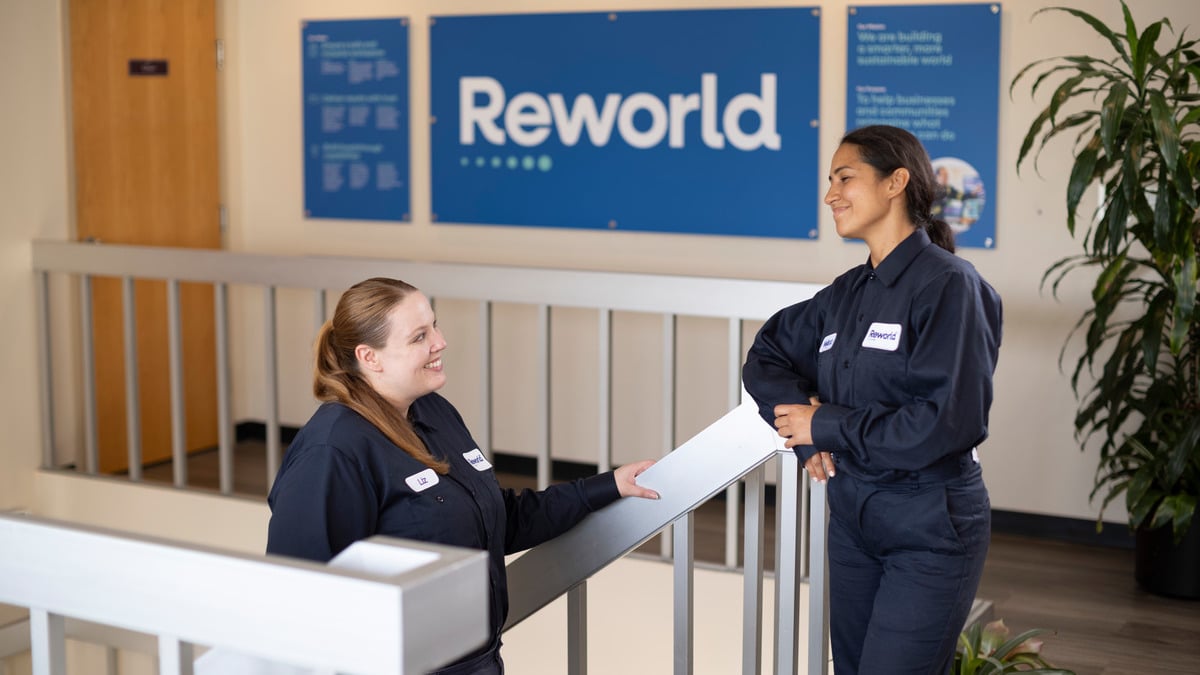
How Can Reworld Help with Sustainable Waste Management?
Partnering with a waste management company to advance sustainability goals is easier than you think. At Reworld, we lead the way in sustainable waste solutions by transforming complex waste challenges into positive environmental outcomes. With decades of industry expertise and a national network of facilities and partnerships, we help businesses move toward a smarter, more circular approach to waste.
Our mission is to turn refuse into a resource and deliver sustainable results without compromise. Through technology integration, on-site support, and advanced resource recovery systems, we provide customized strategies that meet each client’s operational and sustainability goals.
Implementing Smart Waste Management Technologies
We integrate technology at every stage of the waste management process to make sustainability measurable and manageable. Through our Reworld Gateway platform, clients gain access to real-time data on waste generation, diversion rates, and associated costs. The system enables seamless reporting, transparency, and proof of performance, allowing customers to track their sustainability impact with confidence. Our digital tools also simplify administrative processes by replacing outdated, manual documentation methods with automated, cloud-based reporting.
By leveraging data analytics, we empower clients to make informed decisions, optimize vendor selection, and maintain compliance. Our team continually evaluates emerging tools and innovations, such as smart sensors, digital verification apps, and cloud-based portals, to help organizations modernize their waste programs and stay ahead of evolving sustainability standards.
Optimizing Waste Collection and Recycling Processes
Our approach to waste collection and recycling optimization combines nationwide expertise with localized execution. We operate through both digital and on-site methods, depending on the customer’s needs. Our national and regional teams manage a network of more than 1,200 subcontractors across the United States and Canada, enabling fast, flexible, and cost-effective solutions for every material type and region. Since we can compare customer waste streams against this network, we are prepared to identify the best options based on pricing, proximity, and sustainability outcomes.
For clients requiring hands-on support, we can place dedicated waste management professionals directly on-site. These embedded team members act as real-time liaisons, monitoring daily operations, managing vendors, and responding immediately to waste-related needs. With this model, expect rapid response, proactive problem-solving, and award-winning customer service.
Reducing Operational Costs Through Efficiency
We help clients achieve sustainability without increasing costs. In fact, we often reduce expenses through smarter resource use and process optimization.
One of the most effective ways we achieve this goal is through cost avoidance. By analyzing waste streams and identifying materials that can be recycled or reused instead of sent for disposal, we help clients reduce overall tonnage, lower disposal costs, and even generate rebates for recyclable materials. For example, separating metal drums or wood pallets from mixed loads can create new revenue streams while reducing incineration costs.
Additionally, having our experts embedded on-site can offset internal staffing needs by eliminating the need for dedicated procurement or waste management personnel. This streamlined structure improves efficiency, reduces administrative overhead, and ensures that waste is managed strategically and sustainably across all operations.
Support Regulatory Compliance and Reporting
Regulatory compliance is a cornerstone of responsible waste management, and we’re here to make sure that all processes meet or exceed local, state, and federal standards. For facilities that generate hazardous or regulated waste, we provide trained professionals who are certified in applicable environmental and safety regulations. Reworld specialists monitor waste storage areas, track disposal timelines, and coordinate pickups to confirm materials are removed within required regulatory windows.
Our training programs equip employees with the certifications they need for the specific conditions of each site, such as hazardous waste handling or Resource Conservation and Recovery Act (RCRA) requirements.
Through meticulous documentation and real-time reporting, our clients maintain complete visibility into their compliance status and environmental performance.
Providing Data-Driven Insights for Decision-Making
Our data-driven approach empowers businesses to transform waste management into a strategic advantage. The Reworld Gateway provides clients with centralized access to key metrics, from waste diversion percentages to cost savings over time. These insights help you identify inefficiencies, evaluate vendor performance, and model the impact of different disposal methods.
By converting data into actionable intelligence, we help clients make smarter decisions that align with their ESG goals. From identifying the best end-of-life option for materials to assessing the carbon footprint of disposal methods, data transparency allows organizations to measure progress, demonstrate compliance, and communicate results to stakeholders with confidence.
Integrating Resource Recovery Solutions
Our resource recovery programs exemplify our commitment to circularity. At our TTFs, waste is safely combusted to generate electricity or steam, which is then returned to the local power grid. Emissions are tightly controlled—well below EPA standards—and residual materials, such as metals, are recovered and recycled. In fact, these processes make us one of the nation’s largest incidental recyclers of metals.
When determining whether materials should go to recycling, recovery, or WTE, we follow the waste hierarchy established by the U.S. Environmental Protection Agency (EPA): reuse first, recycle when possible, recover energy when beneficial, and reserve landfill only as a last resort.
Reworld™ clients are given transparent options that balance cost, sustainability, and operational needs. Our flexible, consultative approach means that every waste stream achieves the highest possible value.
Tailoring Solutions for Businesses of All Sizes
We understand that every organization’s waste challenges are unique. For example, a small business may benefit from vendor consolidation and simplified reporting, while a large manufacturer may require a multi-facility optimization strategy with embedded personnel. Our team tailors solutions by listening first and conducting detailed intake and on-site assessments to identify each client’s pain points. When the issue is fragmented data, multiple vendors, or inconsistent reporting, we design KPIs and workflows to resolve those challenges.
Since we align solutions with each client’s goals, they are designed to scale effectively and deliver measurable impacts across different industries and operational footprints.
Supporting Long-Term Sustainability Goals
Our client partnerships are designed for the long term, typically spanning many years. This extended engagement allows for continuous improvement and collaborative progress toward zero-waste goals. Rather than offering transactional services, we prefer to form partnerships focused on upstream problem-solving and helping clients reduce waste generation, improve reuse, and design more sustainable processes.
Through this partnership model, we help organizations evolve from compliance-driven waste management to proactive sustainability leadership. Over time, our clients not only achieve higher diversion rates and cost savings but also strengthen their ESG performance and brand reputation.