
What Is Environmental Compliance? A Complete Guide
Environmental compliance often only captures the attention of top management, boards of directors, and investors when something goes wrong. A missed permit condition, an unexpected inspection, or a notice from a regulatory agency can quickly turn a routine operation into a high-risk situation and elevate the issue to the highest levels of the organization. For many organizations, compliance only feels urgent when the consequences become visible to leadership and external stakeholders.
In reality, environmental compliance is woven into everyday business decisions long before a regulator ever gets involved. It influences how facilities operate, how teams are trained, how data is tracked, and how companies protect their ability to keep operating without disruption. The more complex the organization and the more locations it operates, the higher the stakes become.
Understanding environmental compliance means understanding how regulations translate into real-world responsibilities. It requires knowing what applies to your operations, who owns each obligation, and how those requirements are managed over time. When that foundation is in place, compliance becomes a stabilizing force that plays a central role in long-term operational and reputational health.

What Is Environmental Compliance?
Environmental compliance refers to an organization’s adherence to environmental laws, regulations, permits, and approvals that apply to its operations. These requirements are typically formalized through written documents issued by regulatory agencies, such as permits, licenses, or regulatory approvals, each containing specific conditions that must be followed.
However, compliance goes well beyond obtaining a permit and filing it away. As Joseph Walsh, Sr. Director of Environmental at Reworld™, explains, environmental compliance is built on a few foundational principles: “Understanding what your obligations are, communicating those obligations, assigning responsibility, and documenting what you’ve done are the pillars of a solid compliance program.” Each approval carries ongoing obligations, from monitoring and reporting to operational controls and documentation.
In practice, environmental compliance functions as a company’s right to operate. When those requirements are met consistently, operations continue uninterrupted. When they are not, the consequences can quickly escalate.

What Are the Key Areas of Environmental Compliance?
While environmental compliance differs from one organization to the next, it generally falls into several core areas. The specific mix depends on the nature of a company’s operations, the materials it handles, and where it operates.
Regulatory Obligations and Permitting
Most environmental compliance programs begin with permits and approvals issued by regulatory agencies. These documents define what an operation is allowed to do and under what conditions. Permits often address emissions, discharges, waste handling, and operational limits.
For companies operating in multiple states or jurisdictions, permitting becomes significantly more complex. Federal regulations may provide the foundation, but states and local agencies often interpret and implement those rules differently. That can result in multiple permits for similar activities, each with its own requirements, timelines, and reporting expectations.
Air, Water, and Waste Management Requirements
Environmental compliance frequently covers how a company interacts with air, water, and waste streams, which may include air emissions limits, wastewater discharge requirements, stormwater management plans, and solid or hazardous waste handling rules.
Communication and Internal Accountability
Compliance cannot live in a single department or with one individual alone. Operational teams need to understand what permits require and how those requirements affect their daily responsibilities. That means translating regulatory language into clear internal expectations and assigning specific tasks to specific people.
Whether it’s collecting samples, submitting reports, or maintaining equipment, accountability must be clearly defined and consistently tracked.
Documentation and Recordkeeping
Documentation is a central pillar of environmental compliance. Regulators do not simply look at outcomes; they look for proof that required actions were completed correctly and on time. Records may include inspection logs, sampling results, training documentation, maintenance reports, and communications with regulatory agencies.
Without accurate and accessible records, even well-run operations can struggle to demonstrate compliance during an audit or inspection.
Why Is Environmental Compliance Important?
Environmental compliance carries both immediate and long-term implications for a business. At the most basic level, noncompliance can lead to fines, penalties, and corrective actions issued by regulatory agencies. Notices of violation from the U.S. Environmental Protection Agency (EPA) are often public, which means they become part of a company’s compliance history.
Beyond financial impact, compliance plays a major role in reputation and trust. Customers, partners, investors, and communities increasingly evaluate companies based on environmental performance. A pattern of compliance issues can raise red flags and influence purchasing decisions, contract renewals, and public perception. Walsh argues that reputational damage often outweighs direct penalties: “When an organization develops a reputation for consistent environmental compliance issues, it can have a negative impact on business. Recovering from that perception is difficult and sometimes impossible.”
Environmental compliance also supports operational stability. Clear requirements, defined responsibilities, and consistent monitoring reduce uncertainty and prevent small oversights from turning into major disruptions.
Taken together, environmental compliance protects an organization’s ability to operate, supports responsible environmental stewardship, and reinforces trust with regulators, stakeholders, customers, and the communities where it does business.
What Is an Environmental Compliance Certificate?
The term “environmental compliance certificate” is often used as a catch-all phrase, but in practice, it can be misleading. Most regulatory agencies do not issue a single document labeled as a compliance certificate that broadly confirms a company is compliant across all environmental requirements.
Instead, environmental compliance is typically documented through permits, licenses, approvals, registrations, and written authorizations issued by regulatory agencies. These documents define what an organization is allowed to do, under what conditions, and what ongoing actions are required to remain in compliance.
In some industries or jurisdictions, certificates may be issued for specific programs, inspections, or operational milestones. More commonly, however, compliance is demonstrated through active permits that remain valid only if their conditions are met. The concept is less about a certificate and more about written approvals issued by federal, state, or local agencies that carry enforceable requirements.
Because compliance is ongoing, there is rarely a moment when a company is simply “certified” and done. Compliance exists as long as obligations are met consistently over time.
How Do I Get an Environmental Compliance Certificate?
Because environmental compliance is tied to permits and approvals rather than a single certificate, the process starts by identifying which regulations apply to your operations. That determination depends on several factors, including the type of business, materials handled, emissions or discharges involved, and where facilities are located.
Once applicable requirements are identified, organizations typically apply for the necessary permits or approvals through the appropriate regulatory agencies. Applications often require detailed operational information, environmental impact data, site plans, and proposed control measures. Review timelines and documentation requirements can vary widely by jurisdiction.
After permits are issued, compliance depends on how those conditions are managed. Ongoing responsibilities may include monitoring, sampling, inspections, reporting, training, and recordkeeping. Missing a required action or deadline can place a facility out of compliance even if the underlying permit remains active.
For smaller or less regulated organizations, external consultants may help navigate the application process and clarify obligations. More complex organizations often rely on internal environmental professionals supported by regulatory tracking tools to manage compliance across multiple locations.
What Organization Oversees Environmental Compliance?
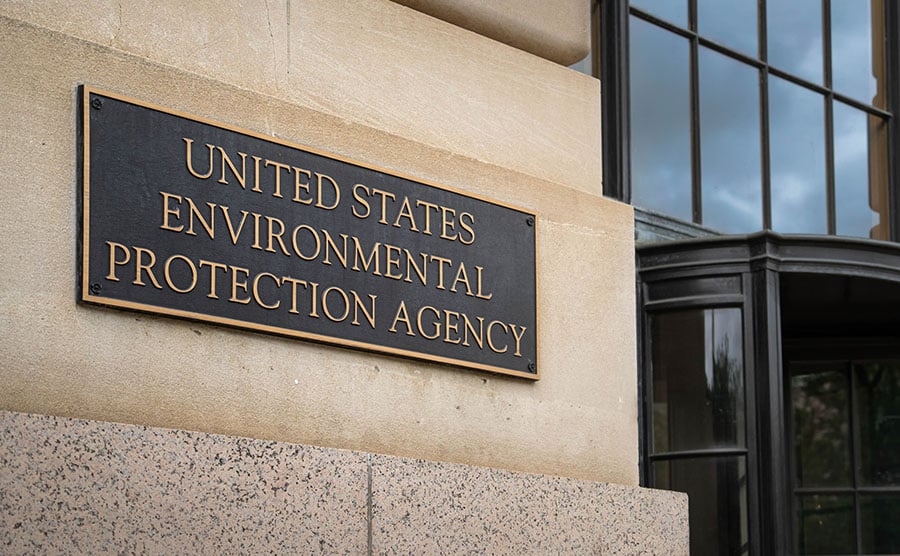
Environmental compliance in the United States is overseen through a layered regulatory structure. At the federal level, the EPA establishes nationwide environmental laws, statutes, and regulations such as the Clean Air Act and the Clean Water Act that address air quality, water protection, waste management, and chemical handling.
However, those federal regulations are typically implemented and enforced by state environmental agencies. While states operate under federal frameworks, they often apply their own rules, interpretations, and permitting processes. As a result, similar operations can face different compliance expectations depending on the state in which they operate.
Local governments and municipalities may also impose additional requirements through zoning rules, local ordinances, or operating conditions tied to land use and community impact. For organizations operating across multiple states or municipalities, this reality creates a complex compliance environment that requires careful coordination.
In most cases, inspections and enforcement actions are handled by state agencies rather than the EPA itself. Federal involvement tends to be the exception, not the rule.
What Are the Benefits of Environmental Compliance?
Environmental compliance is often discussed in terms of obligation, but when it is managed well, it delivers meaningful benefits that extend far beyond the avoidance of penalties. A strong compliance program supports stability, credibility, and smarter decision-making across an organization.
Clear Accountability and Better Internal Alignment
Environmental compliance programs create structure. Permits and regulatory requirements define expectations, while internal processes translate those expectations into specific tasks. That clarity improves coordination between environmental teams, operations, maintenance, and leadership. Everyone understands who is responsible for what, when actions must occur, and how performance is tracked.
Operational Continuity and Reduced Disruption
Environmental compliance protects a company’s ability to operate without interruption. Clear requirements, assigned responsibilities, and documented processes reduce the likelihood of surprise enforcement actions, emergency shutdowns, or rushed corrective measures.
When compliance activities are built into normal operations, teams spend less time reacting to issues and more time focusing on productivity and improvement. Small, consistent actions prevent minor oversights from turning into major operational problems.
Stronger Reputation and Stakeholder Trust
Customers, investors, regulators, and communities pay close attention to how organizations manage environmental responsibilities. A consistent compliance record signals reliability and accountability.
For companies, reputation can directly influence customer relationships and contract opportunities. Organizations with a history of compliance issues often face increased scrutiny, while those with strong records tend to build trust more quickly.
Long-Term Cost Control
While compliance requires investment, it also helps control costs over time. Preventive maintenance, routine monitoring, and early issue detection are typically far less expensive than responding to violations, enforcement actions, or public incidents. Compliance also reduces the risk of project delays, permit revocations, or reputational damage that can disrupt growth plans.
What Are the Challenges of Environmental Compliance?
Even well-run organizations face challenges when managing environmental compliance. Regulatory complexity, changing requirements, and operational realities all contribute to the difficulty.
Managing Multi-Jurisdictional Requirements
Companies operating across multiple states or municipalities must navigate different interpretations of similar regulations. While federal standards provide a foundation, state and local agencies often apply unique rules, timelines, and reporting formats.
Walsh describes this reality as operating in uncertainty: “We live in the gray. There’s a lot of interpretation involved when you’re reading permits or compliance requirements, and it varies from state to state.”
Translating Regulations into Daily Operations
Regulatory language is rarely written with day-to-day operations in mind, and without effective communication and training, even experienced teams can miss deadlines, misunderstand requirements, or overlook documentation obligations. Converting permit conditions into clear instructions for facility staff takes time and coordination.
Keeping Up with Regulatory Changes
Environmental regulations evolve as agencies respond to new data, political priorities, and public expectations. Tracking those changes across jurisdictions can strain internal resources.
Regulatory tracking software and AI-driven tools have improved visibility at the federal and state levels; however, local regulatory changes remain difficult to monitor. Staying informed often requires additional research, local expertise, or external support.
Resource Constraints and Competing Priorities
Environmental compliance competes with other operational priorities. Balancing regulatory obligations with operational efficiency remains a common challenge, particularly for organizations experiencing growth or expansion. Staffing limitations, budget pressures, and production demands can make it difficult to dedicate consistent attention to compliance activities.

What Are the Potential Risks Associated with Environmental Non-Compliance?
Failing to meet environmental requirements exposes organizations to a range of risks that extend well beyond regulatory penalties.
Financial Penalties and Enforcement Actions
Noncompliance can lead to notices of violation, fines, and mandated corrective actions. These enforcement actions are often documented in public databases and become part of a company’s compliance history. Even relatively small violations can escalate if they are repeated or left unaddressed, which increases both cost and regulatory scrutiny.
Reputational Damage and Loss of Trust
Reputation is one of the most difficult risks to quantify and one of the hardest to repair. Compliance issues can erode trust with customers, partners, and communities. “When an agency or organization views you as a bad actor, you’ll have to spend a lot of money to try to recover,” Walsh says. “Sometimes, you can’t even quantify the damage.”
Legal Exposure and Community Impact
Environmental violations may also trigger legal action, third-party claims, or community opposition. Incidents involving air, water, or waste can draw public attention and amplify scrutiny through media and social channels.
Community reaction can be swift and lasting. Walsh notes: “If you impact a community or a water body, the combination of regulatory action and public response can put a company out of business if it’s not managed well.”
Operational Delays and Business Disruption
Serious compliance issues can lead to permit restrictions, operational shutdowns, or increased inspection frequency. These disruptions affect production schedules, staffing, and customer commitments. In severe cases, prolonged noncompliance can threaten a company’s ability to continue operating in a given jurisdiction.
How to Ensure Environmental Compliance
Maintaining environmental compliance requires a deliberate, repeatable approach. While the specific requirements vary by organization, most effective compliance efforts follow a similar set of steps that translate regulatory obligations into day-to-day execution.
Identify Applicable Regulations and Obligations
The first step is understanding which environmental laws, permits, and approvals apply to your operations. It depends on factors such as facility location, operational activities, materials handled, emissions, discharges, and waste streams. Without a clear inventory of obligations, compliance efforts lack direction from the start.
For organizations operating across multiple jurisdictions, this step often involves reviewing federal regulations alongside state and local requirements.
Review Permit Conditions in Detail
Permits and approvals contain specific conditions that dictate how operations must be managed. These conditions may address monitoring frequency, operational limits, reporting timelines, maintenance activities, and recordkeeping requirements.
It is not enough to know a permit exists. Teams need to understand what each condition requires and how it applies in practice. Subtle wording differences can change expectations significantly.
Document Actions and Maintain Records
Strong documentation practices make audits smoother and reduce uncertainty during inspections or reviews. Documentation provides proof that required actions were completed correctly and on time. Records should be accurate, accessible, and retained according to regulatory expectations.
Assign Responsibility and Ownership
Every compliance obligation needs a clear owner. Whether it involves collecting samples, submitting reports, or maintaining control equipment, responsibility must be assigned to specific individuals or roles.
Walsh emphasizes the importance of accountability: “If a permit says you have to take a sample on a specific day, someone must own that task, complete it, and document it. Without ownership, things get missed.”
Track Tasks and Deadlines
Once responsibilities are assigned, compliance activities need to be tracked. Missed deadlines are one of the most common causes of noncompliance, even in otherwise well-run facilities. Task tracking systems, calendars, and automated reminders help teams stay ahead of recurring requirements and reduce reliance on memory or informal processes.

How to Implement an Environmental Compliance Program
An environmental compliance program brings structure to the compliance process and embeds it into normal operations. Rather than treating compliance as a series of isolated tasks, a program creates consistency across facilities and teams.
Implementation typically begins with a baseline assessment. Organizations review existing permits, past inspection findings, operational practices, and known risk areas, which helps identify gaps and prioritize actions. From there, policies and procedures are developed to define how compliance obligations are managed, including outlining roles, escalation paths, internal reporting expectations, and documentation standards.
Training also plays a critical role. Employees who influence compliance outcomes need to understand how their actions connect to regulatory requirements. Ongoing communication keeps expectations clear as operations or regulations change.
Finally, compliance programs benefit from regular internal reviews. Periodic audits, facility walkthroughs, and management check-ins help identify issues early and keep the program aligned with evolving requirements.
What Digital Tools Help with Environmental Compliance?
Digital tools have become an essential part of modern environmental compliance management, particularly for organizations operating across multiple locations.
Regulatory tracking platforms help companies monitor changes to federal and state regulations. These tools provide alerts when new rules are proposed, finalized, or revised, helping environmental teams stay informed without manually reviewing agency updates. Task management and compliance tracking systems support day-to-day execution. These platforms translate permit conditions into actionable tasks, assign responsibility, and send reminders when deadlines approach. Data management tools also support documentation and reporting. Centralized systems make it easier to store records, retrieve information during audits, and maintain consistency across facilities.
As Walsh notes, technology continues to evolve. “Even if you’re happy with what you use today, it’s worth seeing what’s changed in the market. Tools are improving quickly, especially with AI entering the space.”
What Are Environmental Compliance Regulations?
Environmental compliance regulations are the legal requirements that govern how organizations interact with the environment. In the United States, these regulations are largely established at the federal level by the EPA and implemented by state agencies.
Federal laws address areas such as air quality, water protection, waste management, and chemical handling. States adopt these frameworks and apply their own permitting processes, guidance documents, and enforcement practices. Local governments may add another layer through ordinances, zoning requirements, or operational conditions tied to land use. These local rules can influence facility design, operating hours, or waste handling practices.
Because regulations are layered and subject to interpretation, compliance often involves ongoing dialogue with regulators, industry groups, and local experts. Staying informed and adaptable is a core part of managing environmental compliance over time.
EPA Violations, Fines, and Penalties
Environmental violations can take many forms, ranging from administrative oversights to operational failures. While the specific consequences depend on the nature of the violation and the regulatory authority involved, enforcement actions often follow similar patterns.
Common violations include missed monitoring or sampling requirements, late or incomplete reporting, operating outside permitted limits, improper waste handling, and failure to maintain required records. In many cases, violations are not tied to intentional misconduct but to gaps in tracking, communication, or documentation.
When violations occur, agencies may issue notices of violation that outline the problem and require corrective action. Financial penalties can follow, particularly when violations are repeated, unresolved, or result in environmental impact. Penalty amounts vary widely based on severity, duration, and regulatory discretion.
Beyond fines, enforcement actions can trigger increased inspections, additional reporting obligations, or permit modifications. These outcomes often create ongoing operational burdens that extend well beyond the initial violation.
Do I Need Environmental Compliance Consulting Specialists for My Business?
The need for environmental compliance consulting depends on the complexity of an organization’s operations and regulatory exposure.
Highly regulated industries and multi-location organizations often benefit from a combination of internal expertise and external support. Consulting specialists can help interpret regulations, support permit applications, conduct audits, and provide guidance on compliance program development. For organizations without dedicated environmental staff, consultants may serve as the primary source of regulatory expertise.
Walsh notes that internal ownership remains critical even when external support is involved. “At the end of the day, someone inside the organization has to be clearly assigned responsibility for compliance and serve as a steady point of accountability for the operation.”
Smaller or newer businesses may rely more heavily on external specialists, particularly for specific requirements such as spill planning, permitting, or regulatory interpretation. As organizations grow, many transition toward building internal capabilities while continuing to use consultants for targeted needs.
Environmental Compliance Audits
Environmental compliance audits are structured reviews that evaluate whether an organization is meeting its regulatory obligations. Audits can be conducted internally, by third-party consultants, by customers, or by regulatory agencies.
Internal audits are often used as a proactive tool to identify gaps before they become enforcement issues. These audits may range from focused facility walkthroughs to comprehensive multimedia reviews covering air, water, waste, and stormwater requirements.
External audits vary in purpose and scope. Customers may audit vendors to protect their own compliance and reputational interests. Regulatory inspections, while sometimes referred to as audits, carry enforcement authority and can result in violations if issues are identified.

Environmental Compliance Audit Checklist
While every audit should be tailored to the facility and its permits, most effective reviews follow an environmental compliance audit checklist that covers a consistent set of elements.
- Check current environmental permits, approvals, and expiration dates.
- Verify documentation of monitoring, sampling, and reporting activities.
- Confirm records demonstrate compliance with permit conditions.
- Assess training records for employees with environmental responsibilities.
- Examine maintenance and inspection logs for environmental control equipment.
- Validate waste characterization and disposal documentation.
- Evaluate spill prevention and emergency response plans.
- Review previous inspection findings and corrective action status.
A strong audit process combines document review with on-site observation. Seeing how operations function in practice often reveals issues that paperwork alone does not capture.
Environmental Compliance Services and Solutions
Environmental compliance services and solutions support organizations in managing regulatory obligations, reducing risk, and maintaining operational stability. The scope and structure of these services vary based on industry, regulatory exposure, and internal resources.
Regulatory Assessment and Compliance Planning
Many organizations begin with a regulatory assessment to identify which environmental requirements apply to their operations. This process typically involves reviewing permits, operational activities, waste streams, and facility locations to surface compliance obligations and potential gaps.
Compliance planning then translates those obligations into clear actions, timelines, and ownership. A well-defined plan helps organizations move from reactive compliance to a more structured, proactive approach.
Compliance Program Development and Management
Some organizations require help designing or refining internal compliance programs. This process may include developing policies, procedures, internal controls, and reporting structures that align with regulatory expectations.
Ongoing program management support can help organizations maintain consistency across facilities and adapt as regulations or operations evolve.
Permitting and Regulatory Support
Permitting is a central component of environmental compliance. Services in this area often include preparing permit applications, managing renewals, and supporting permit modifications when operations change.
Regulatory support also extends to agency communication. Responding to regulator questions, addressing information requests, and aligning operational plans with permit conditions can significantly reduce delays and misunderstandings.
Auditing, Inspections, and Risk Reviews
Environmental compliance services often include internal audits, third-party reviews, and pre-inspection assessments. Risk reviews may also evaluate facilities based on regulatory exposure, operational complexity, and past performance to prioritize resources effectively.
These activities help identify gaps early and reduce the likelihood of enforcement actions.
Environmental Compliance Systems and Software
Environmental compliance systems and software play a growing role in managing regulatory complexity, particularly for organizations operating across multiple locations.
Regulatory Tracking and Monitoring Tools
Regulatory tracking platforms monitor changes to federal and state environmental regulations. These tools alert users when new rules are proposed, finalized, or updated, helping organizations stay informed without constant manual review.
Permit and Task Management Systems
For organizations with multiple permits and facilities, centralized task management improves visibility and accountability. Task management systems convert permit conditions into actionable requirements. These platforms assign responsibility, track deadlines, and issue reminders to reduce the risk of missed obligations.
Data Management and Reporting Platforms
Centralized systems make it easier to store documents, retrieve records, and maintain consistency across locations. Data management tools support recordkeeping, reporting, and audit readiness. Some platforms also support trend analysis and performance tracking, which helps organizations identify recurring issues or improvement opportunities.
Keeping Up with Environmental Compliance and EPA Regulations
Environmental regulations continue to evolve in response to policy shifts, scientific research, and public expectations. Federal agencies may revise regulatory priorities, while states can strengthen or reinterpret requirements. Local governments may also introduce new ordinances that affect operations. Together, these layers create a dynamic compliance environment.
Keeping up with these changes is an ongoing responsibility for regulated organizations. Staying current often requires a combination of regulatory tracking tools, internal expertise, and external relationships. Professional associations, local consultants, and industry groups can also provide valuable insight into how regulations are applied in practice.
Environmental Compliance Cost Considerations and ROI
Environmental compliance requires investment, but those costs should be evaluated alongside the financial and operational value compliance provides. The return comes from stability, risk reduction, and the ability to operate with confidence in a regulated environment.
Direct Compliance Investments
Direct costs may include staffing, consulting services, monitoring equipment, software systems, training, and permitting fees. These investments support day-to-day compliance activities and long-term program stability.
Cost Avoidance and Risk Reduction
Effective compliance reduces the likelihood of fines, enforcement actions, operational shutdowns, and project delays. Avoiding even a single significant violation can offset years of preventive investment.
Operational Efficiency and Business Value
Clear accountability and better visibility into obligations can support smoother operations. Structured compliance programs often reveal opportunities to streamline processes, improve data quality, and reduce inefficiencies.
Reputational and Strategic Impact
Strong environmental compliance supports credibility with customers, regulators, investors, and communities. Trust and reliability influence long-term relationships and can affect market access and growth opportunities.

How Can Reworld® Help with Environmental Compliance?
Environmental compliance does not exist in isolation from day-to-day waste management decisions. For many organizations, compliance challenges surface at the point where waste is generated, classified, transported, and ultimately disposed of.
At Reworld, we support our customers by helping them navigate this intersection.
Helping Identify and Manage Regulated Waste Streams
One of the most common compliance challenges businesses face is understanding how their waste is classified across different jurisdictions. Materials that appear non-hazardous in one location may be regulated differently elsewhere based on state or local interpretation.
We work closely with our customers to evaluate waste streams, understand how regulations apply, and identify appropriate handling and disposal pathways, which helps reduce the risk of misclassification while supporting compliant waste management decisions across facilities and regions.
Supporting Proper Handling, Transportation, and Disposal
Environmental compliance depends heavily on how waste is managed once it leaves a facility. Storage practices, transportation methods, and final disposal all play a role in meeting regulatory expectations.
At Reworld, our solutions are designed to align with applicable regulatory requirements while supporting safe, responsible waste movement. By connecting customers with appropriate treatment and disposal options, we help reduce compliance risk throughout the waste lifecycle.
Sharing Practical Regulatory Insight
Our experience managing highly regulated waste operations allows us to share practical insight into how environmental regulations are applied in real-world settings. We regularly help Reworld customers understand how waste regulations may affect their operations in different jurisdictions, what that means for disposal options, and how regulatory expectations can vary from one location to another.
Supporting Compliance and Sustainability Together
Environmental compliance and sustainability are closely linked. Responsible waste management supports regulatory obligations while also contributing to broader environmental goals. We focus on helping our customers identify sustainable waste solutions that align with compliance requirements, supporting long-term operational stability and environmental responsibility.