

What Is Wastewater Treatment? A Complete Guide
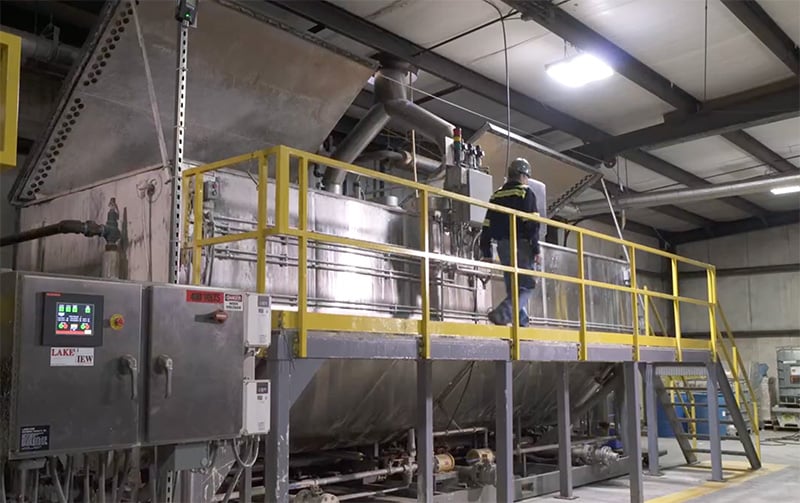
Wastewater is one of those invisible systems that quietly shapes public health, the environment, and the economy. Every day, homes, hospitals, factories, restaurants, and cities generate huge volumes of used water, and along the way, that water has picked up everything from food waste and oils to chemicals, metals, and microscopic pathogens.
If that water were simply released untreated, the impacts would show up fast: contaminated rivers and lakes, damaged ecosystems, unsafe drinking water sources, and preventable health risks in the communities downstream. That’s why wastewater treatment exists—because modern life produces wastewater at a scale and complexity that needs to be actively managed.
Wastewater treatment is also becoming more challenging. Regulations evolve as new contaminants are discovered, industries grow and change, and communities face increasing pressure on water resources. At the same time, treatment technology is advancing, opening the door to better pollution control, greater water reuse, and stronger sustainability outcomes.
What Is Wastewater?
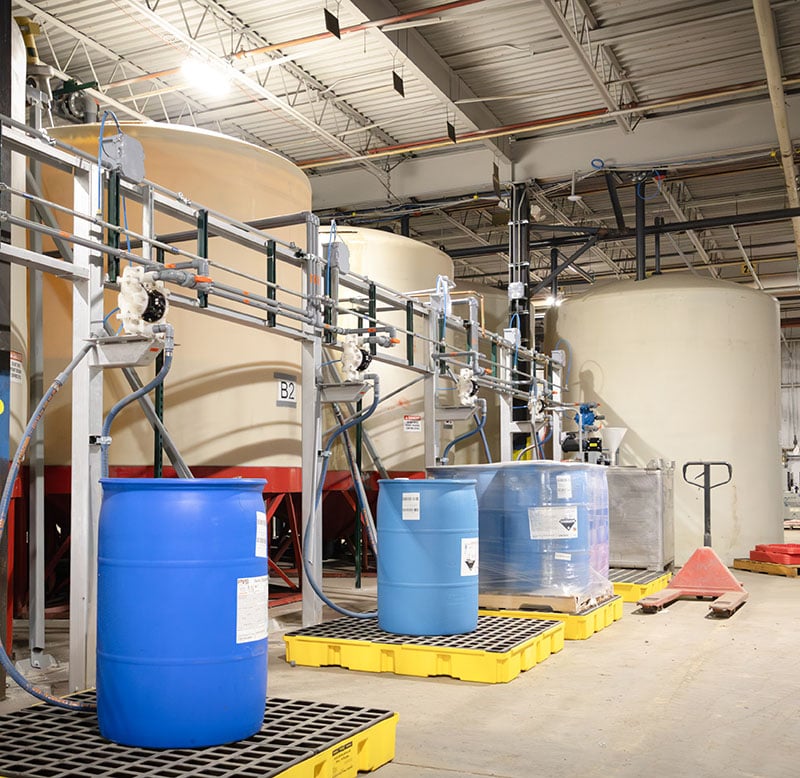
Wastewater is any water that has been used and is no longer clean enough to return directly to the environment without treatment. It includes water from daily household use, such as sinks, showers, toilets, and washing machines, as well as water used in commercial buildings, institutions, and industrial processes.
In simple terms, wastewater is water that has picked up contaminants along the way. Those contaminants might be visible (like solids and grit) or invisible (like bacteria, dissolved chemicals, or trace pollutants). One of the reasons wastewater treatment is such a large and complex field is that wastewater isn’t one consistent substance. The “recipe” changes depending on where the water came from and what it contacted.
What Are the Common Pollutants Found in Wastewater?
Wastewater can contain hundreds of potential pollutants depending on its source. Some are common across almost all wastewater streams, while others are specific to certain industries.
Suspended Solids and Grit
Suspended solids include small particles of soil, sand, food waste, paper, and other debris that can cloud water and settle into sludge. If solids aren’t removed early in treatment, they can clog pipes, damage pumps, reduce treatment efficiency, and increase operational costs.
Organic Matter
Organic matter refers to carbon-based materials from food waste, human waste, and industrial byproducts. When organic matter enters waterways untreated, it increases biological oxygen demand (BOD). Microorganisms consume oxygen as they break down organic waste, which can reduce oxygen levels in rivers and lakes and harm aquatic life.
Nutrients (Nitrogen and Phosphorus)
Nutrients are naturally present in domestic wastewater and can also come from fertilizers, industrial processes, and food production. Excess nitrogen and phosphorus can also fuel algae blooms and eutrophication, which degrades water quality and can create dead zones in lakes and coastal waters.
Pathogens
Pathogens include bacteria, viruses, and parasites that can cause disease. They originate from human waste and animal waste. Without treatment and disinfection, pathogens can spread through contaminated water supplies and recreational waters.
Fats, Oils, and Grease (FOG)
FOG is a major pollutant in both municipal and industrial wastewater. Restaurants, food processing plants, and manufacturing facilities generate large volumes of oily wastewater. When FOG enters sewer systems, it can harden and contribute to blockages and overflows.
Heavy Metals
Industrial wastewater often contains metals that can be toxic even at low concentrations. These contaminants may come from manufacturing, metal finishing, mining operations, chemical processing, or equipment corrosion. Common examples include lead, mercury, cadmium, chromium, nickel, copper, and zinc.
Because heavy metals do not break down the way many organic contaminants do, they can accumulate in sediments and move through the food chain over time. That persistence makes them a long-term risk for aquatic ecosystems and a compliance concern for many industrial dischargers.
Industrial Chemicals and Solvents
Many industries generate wastewater with dissolved chemicals and solvents that can be harmful even at low concentrations. These substances may come from cleaning processes, production chemistry, equipment maintenance, coatings, or accidental releases. Common examples include acids and alkalis, cleaning agents, petrochemicals, paints and coatings, surfactants, and pesticides.
Depending on the compound, these contaminants can be corrosive, toxic, persistent, or reactive when mixed with other wastewater components. Treatment may involve neutralization, separation technologies, or advanced oxidation processes designed to break down complex organics and reduce discharge impacts.
PFAS
PFAS are a newer and increasingly high-profile class of wastewater pollutants, sometimes called “forever chemicals” because they resist breakdown. They appear in wastewater through numerous sources, including firefighting foams, textiles, nonstick coatings, and landfill leachate.
PFAS has become a major focus of emerging regulations because of its persistence and potential human health impacts. Terrence Small, consultant at Reworld™, describes it as one of the greatest modern industrial wastewater challenges: “PFAS is associated with many industrial applications, and it’s turning up in many wastewater systems. As PFAS has ended up in our landfills, those materials have ended up in our water lifecycle.”
Salts and Dissolved Inorganic Compounds
Industrial wastewater can contain high levels of dissolved solids such as chlorides, sulfates, and other salts. High salinity wastewater can corrode infrastructure, harm treatment biology, and limit discharge options.
What Is Wastewater Treatment?
Wastewater treatment is the process of cleaning used water so it can be safely released back into the environment or reused for another purpose. In practice, that means removing—or significantly reducing—contaminants that could harm people, damage ecosystems, or interfere with public water systems.
The treatment approach depends on what’s in the wastewater. A municipal wastewater stream from homes and businesses tends to have fairly predictable components: organic waste, suspended solids, nutrients, and pathogens. Industrial wastewater can be much more variable, sometimes containing oils, solvents, heavy metals, high salinity, extreme pH, or persistent compounds such as PFAS.
As Small notes, the first step in any wastewater treatment process is understanding what you’re dealing with: “The different challenges associated with that liquid need to be addressed with different types of treatment.” That variability is why wastewater treatment is both a science and an operational discipline; successful outcomes depend on matching the right treatment methods to the wastewater’s physical and chemical makeup.
In broad terms, wastewater treatment uses a combination of physical, chemical, and biological methods to separate contaminants from the water. Treatment may happen in a public system (municipal wastewater treatment), in an on-site facility run by a business, or at a specialized off-site facility designed to manage industrial wastewater.
What Is a Wastewater Treatment Plant?
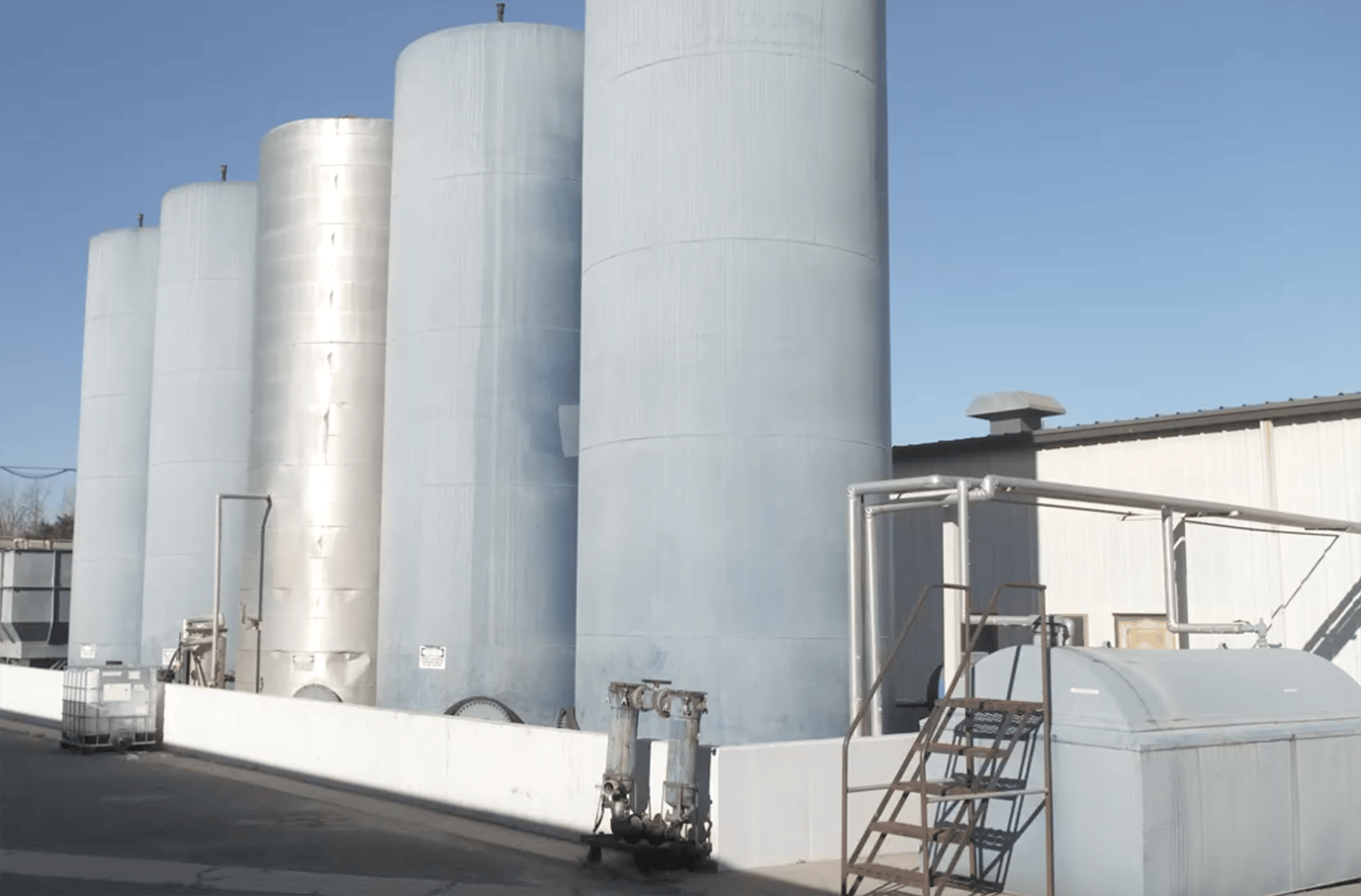
A wastewater treatment plant is a dedicated facility that receives wastewater and processes it through one or more treatment stages to reduce pollutants before the water is discharged or reused. These facilities are engineered to handle wastewater safely, reliably, and in compliance with local, state, and federal regulations.
Wastewater treatment plants can range widely in size and complexity. Some municipal plants treat millions of gallons per day and serve entire cities. Others are smaller systems that support a single industrial site. The design of a plant reflects the kinds of wastewater it receives, the required discharge limits, and the treatment technologies selected.
Most wastewater treatment plants are built around a few key system components:
- Receiving and equalization areas to manage flow and smooth out spikes in concentration or volume
- Mechanical separation equipment (screens, grit removal, clarifiers) to remove solids
- Biological treatment systems (aeration basins, activated sludge processes, biofilters) to break down organic matter
- Chemical treatment systems (pH adjustment, coagulation, precipitation) to remove specific contaminants
- Disinfection steps (chlorine, ultraviolet light, ozone) to reduce pathogens
- Sludge handling and disposal systems to manage removed solids and residual waste
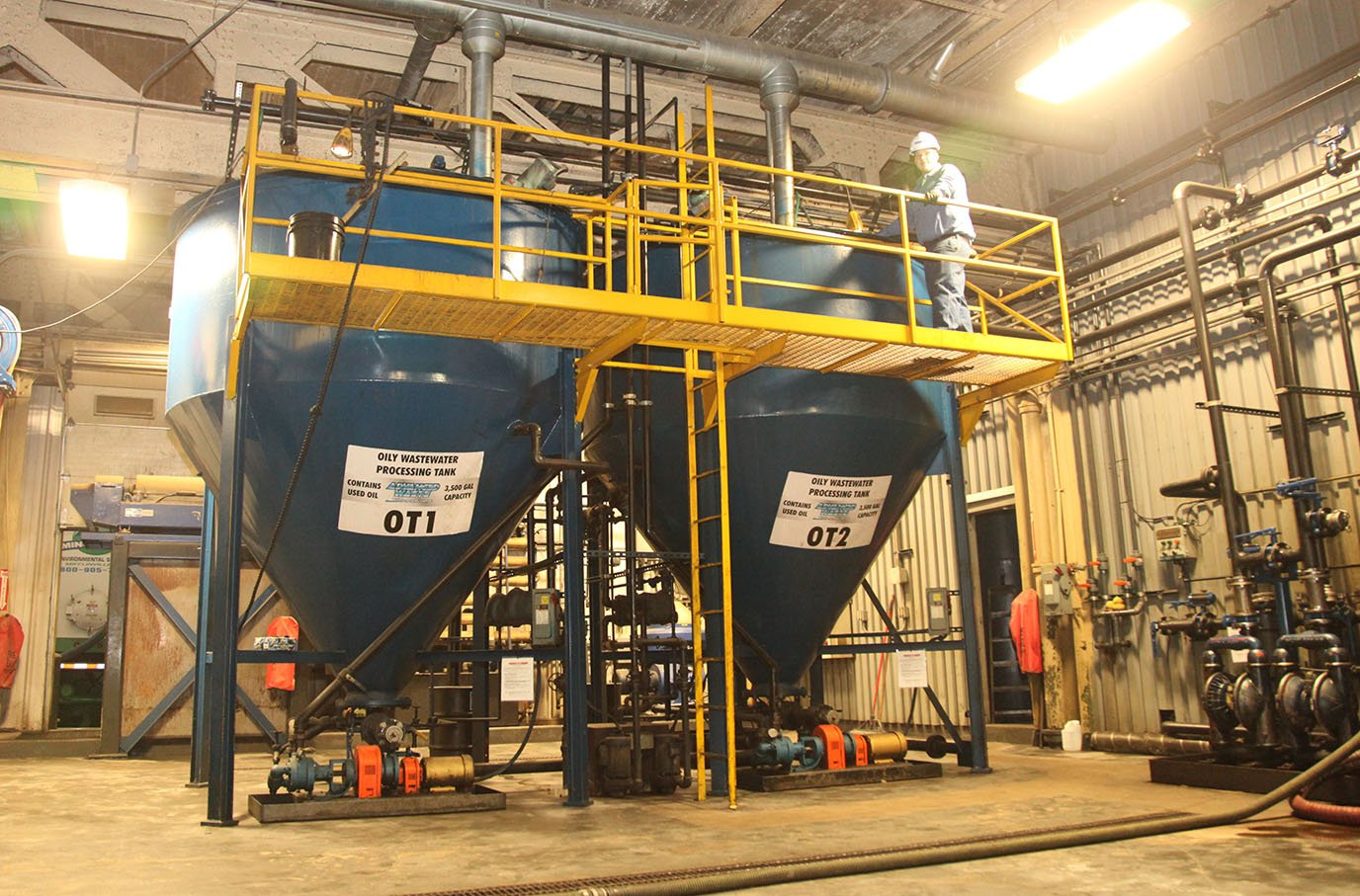
In industrial settings, plants often include additional advanced systems because the wastewater may be more complex or inconsistent. That might include dissolved air flotation (DAF) for oils and solids, membrane filtration for dissolved contaminants, or carbon systems for certain organics.
What Are the Different Types of Wastewater Treatment Plants?
Wastewater treatment plants generally fall into three major categories, based on who operates them and what types of wastewater they are designed to manage.
Municipal (Publicly Operated) Wastewater Treatment Plants
Municipal wastewater treatment plants are run by cities or regional authorities. Their primary role is to treat wastewater collected through sewer systems from homes, businesses, and institutions. These plants typically process relatively consistent wastewater and focus heavily on removing organic matter, nutrients, and pathogens. Because municipal plants serve large populations, they are built for reliability and high-volume throughput.
Municipal systems may also accept certain types of industrial wastewater, but only if the wastewater aligns with what the plant is permitted to treat. When industrial wastewater contains higher concentrations of pollutants or unusual compounds, it may require pretreatment or a specialized industrial facility.
On-Site Wastewater Treatment Plants
On-site wastewater treatment plants are built and operated by businesses or industrial facilities that generate wastewater as part of their operations. These systems allow a facility to treat its wastewater before discharging it, either to a municipal system or directly to permitted waters.
On-site systems are common in industries with large wastewater volumes or specific contaminant profiles, particularly when municipal treatment capacity is limited, discharge regulations are strict, or the facility operates in a remote location.
In some cases, on-site treatment is part of a broader strategy that includes water recycling or reuse. In other cases, it may be necessary to meet discharge requirements before the wastewater can enter a public sewer.
Off-Site Industrial Wastewater Treatment Facilities
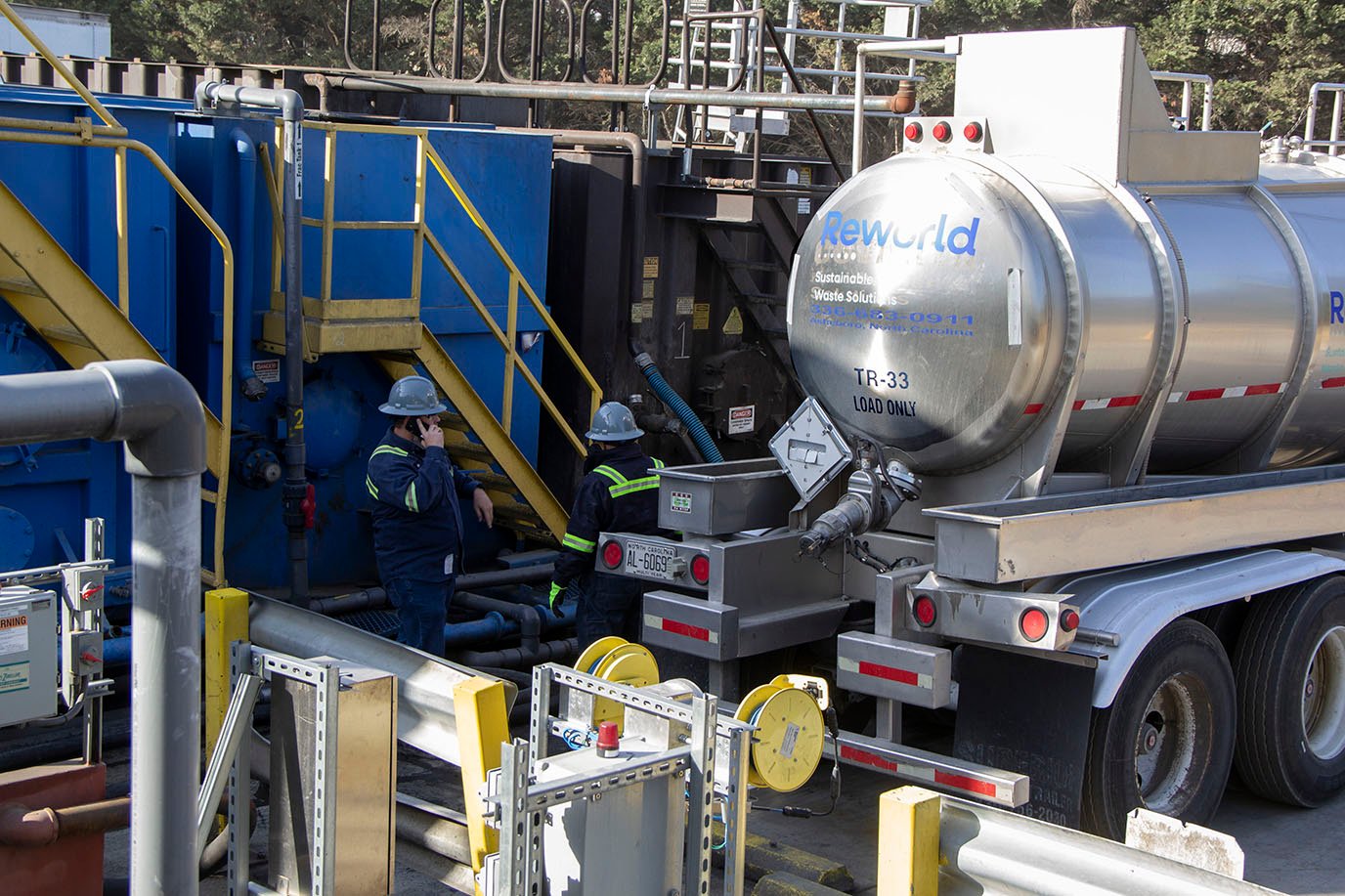
Off-site industrial wastewater treatment facilities receive wastewater from multiple generators and treat it at a specialized facility designed for industrial liquids. These facilities often manage highly variable streams, sometimes from heavy industry, where the pollutant load, chemistry, and physical characteristics change from load to load.
The goal of off-site wastewater treatment facilities is simple, according to Small: “Off-site facilities work with industries and businesses, bring that wastewater into their facility, and manage that waste, clean up the water, and discharge it appropriately.”
Because of the variability of incoming wastewater, off-site plants often operate with a wide range of treatment technologies and a strong emphasis on testing and characterization.
What Is the Purpose of Wastewater Treatment?
The purpose of wastewater treatment is to reduce pollution and protect public health by removing harmful contaminants from used water. Without treatment, wastewater can introduce pathogens, toxic chemicals, nutrients, and oxygen-depleting organic matter into rivers, lakes, oceans, and groundwater.
Wastewater treatment also supports economic activity. Communities and industries depend on clean water sources for drinking water, agriculture, power generation, manufacturing, and recreation. Treating wastewater keeps water resources usable and reduces the long-term costs associated with environmental damage.
In industrialized economies, wastewater treatment plays a key role in how communities function. Small summarizes the underlying driver: “In industrial countries, there is a significant amount of wastewater generated as part of the economy. Those impurities cause significant problems that are associated with the health and well-being of the community.”
In other words, wastewater treatment is both a protective system and an enabling system: It protects water quality while supporting industries, cities, and infrastructure.
Why Is Wastewater Treatment Important? 5 Benefits of Wastewater Treatment
Wastewater treatment matters because clean water is foundational to health, environmental stability, and everyday life. It is one of the most effective public protections against waterborne disease and one of the most important tools for preventing pollution. It protects communities, supports industry, strengthens ecosystems, and helps regions manage water resources more responsibly.
For municipalities, it’s a core part of public infrastructure. For businesses, it can be the difference between smooth operations and costly disruptions.
1. Protecting Public Health
One of the most immediate benefits is reducing the spread of disease. Untreated wastewater often contains pathogens—bacteria, viruses, and parasites—that can cause serious illness. When these pathogens contaminate water supplies or recreational waters, they can spread quickly through communities.
Modern wastewater treatment reduces these risks through a combination of biological treatment, filtration, and disinfection. Treatment reduces these organisms before the water is discharged, lowering exposure risks for communities that rely on local water bodies for recreation, drinking water sources, or agriculture.
2. Preventing Environmental Damage and Pollution
Wastewater carries pollutants that can disrupt ecosystems, harm wildlife, and degrade water quality for rivers, lakes, oceans, and groundwater. Organic matter in wastewater increases oxygen demand in waterways, which can suffocate fish and other aquatic organisms. Nutrients such as nitrogen and phosphorus can trigger algal blooms and dead zones.
Treatment reduces these impacts by removing organic load and controlling nutrient discharge, which helps protect aquatic ecosystems and improve overall water quality.
3. Supporting Regulatory Compliance
Wastewater treatment is deeply tied to environmental compliance. In the United States, standards for wastewater discharge are largely rooted in the Clean Water Act, which gave the U.S. Environmental Protection Agency (EPA) authority to regulate pollutants and set permitting requirements. Additional federal, state, and municipal regulations establish discharge limits and define what pollutants must be removed.
As new contaminants are identified—such as PFAS—standards evolve, and wastewater treatment methods evolve with them. Treatment systems give municipalities and businesses a pathway to meet current permit requirements and adapt as standards become more stringent.
4. Conserving Water Resources Through Reuse
In many regions, water scarcity and infrastructure strain are pushing communities and industries to rethink water use. Some treated wastewater can be reused for industrial processes, cooling water, irrigation, or even advanced purification applications.
Water reuse reduces demand on freshwater supplies, lowers costs for industries that need consistent water inputs, and can stabilize water availability for communities and industries.
In addition to reuse, some systems support resource recovery, which involves capturing energy or nutrients from wastewater streams. While this is more common in modern municipal systems, it’s part of a broader shift toward treating wastewater as a managed resource rather than a waste product.
5. Strengthening Sustainability Outcomes
Modern economies generate a significant amount of wastewater. Without wastewater treatment, industries would face limited options for operating responsibly, especially in regions with strict environmental regulations.
Wastewater treatment contributes to sustainability by preventing pollution, reducing landfill dependency, and enabling beneficial reuse of water. For businesses, treating wastewater responsibly can protect the brand, reduce environmental liabilities, and support corporate sustainability reporting. For communities, it supports cleaner waterways, healthier ecosystems, and more resilient infrastructure. It also makes it possible for industries to function while meeting discharge limits, protecting local resources and reducing conflict between industrial operations and community water needs.
Many organizations also want transparency into what happened to their wastewater: where it went, how it was treated, and what its final fate was. As wastewater reporting and environmental, social, and governance (ESG) expectations increase, treatment and documentation become part of how companies demonstrate environmental responsibility.
What Are the Challenges of Wastewater Treatment?
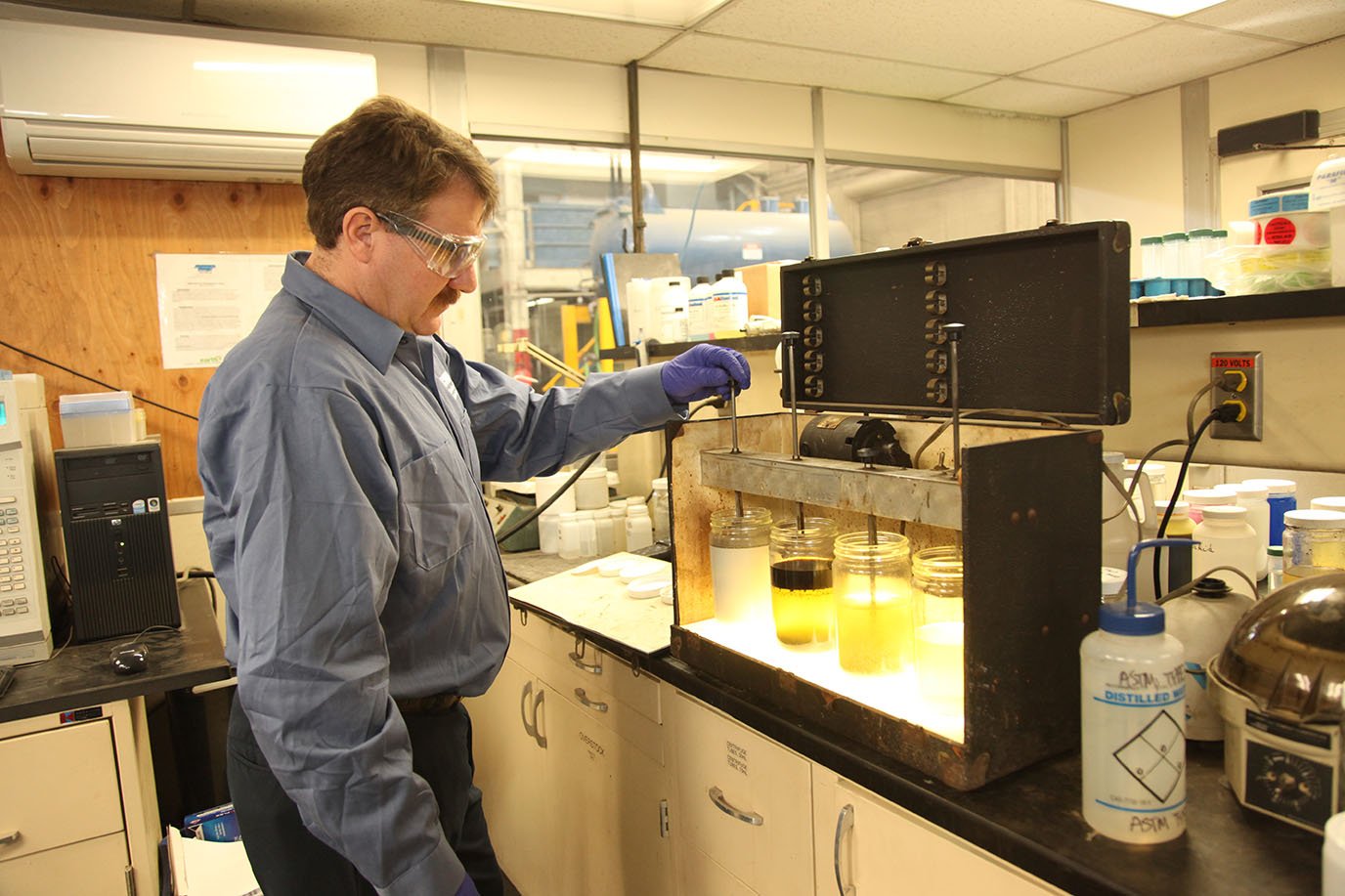
Wastewater treatment may sound straightforward—remove contaminants, discharge clean water—but in reality, it’s a complex, evolving field shaped by chemistry, biology, infrastructure constraints, cost pressures, and regulation.
Here are some of the most persistent challenges of today’s wastewater industry.
Variability in Wastewater Composition
Wastewater is not one consistent material. Its characteristics can change based on the source, the time of day, the season, and shifting industrial activity.
Municipal wastewater is often relatively predictable. Industrial wastewater can be highly variable, even within the same facility, depending on production cycles, cleaning schedules, or raw material changes. That variability makes it harder to design a “one size fits all” treatment approach.
Emerging Contaminants and Evolving Regulations
Another significant challenge in wastewater treatment is that the target is always moving. Every decade brings new contaminants into focus, often driven by advances in detection, environmental research, and public health data. When regulators identify a new pollutant of concern, treatment providers and municipalities may need to adapt quickly, sometimes without years of real-world performance data for existing systems.
PFAS is one such pollutant. These compounds resist breakdown and can travel through water systems in trace amounts. Treating them is possible, but it often requires specialized technologies and careful management of residual waste.
Time and Retention Requirements
Treating wastewater takes time, and treatment duration depends on what contaminants need to be removed and the design of the system. As Small noted, treatment time can also vary widely: “It could take anywhere from six to 48 hours, nominally 12 to 24 hours depending on the retention time of the system and the tenacity of the components that you’re trying to remove.”
Technology Trade-Offs (Performance vs. Cost)
Many advanced technologies work extremely well, but they can be expensive relative to the discharge standard required.
An example of this trade-off is membrane technology: Membranes may remove far more than what regulations require, but the cost can exceed what’s practical for high-volume treatment. That tension forces many operators to balance treatment performance with cost constraints.
Managing Residuals, Concentrates, and Sludge
Treatment removes contaminants from wastewater, but those contaminants don’t disappear. They become sludge, filter media, concentrated brines, spent activated carbon, or other residual waste streams that still need compliant disposal or destruction.
For certain pollutants, like heavy metals, PFAS, or high-salinity brines, residual management can be one of the most challenging and costly parts of the full lifecycle.
Infrastructure and Operational Complexity
Treatment plants require skilled operators, maintenance, and monitoring. Equipment failures, chemical dosing errors, biological upsets, and flow surges can reduce performance if not managed carefully. Municipal systems also face aging infrastructure, capacity constraints, and funding challenges, while industrial systems may deal with production-driven fluctuations that create operational pressure.
What Industries Need Wastewater Treatment?
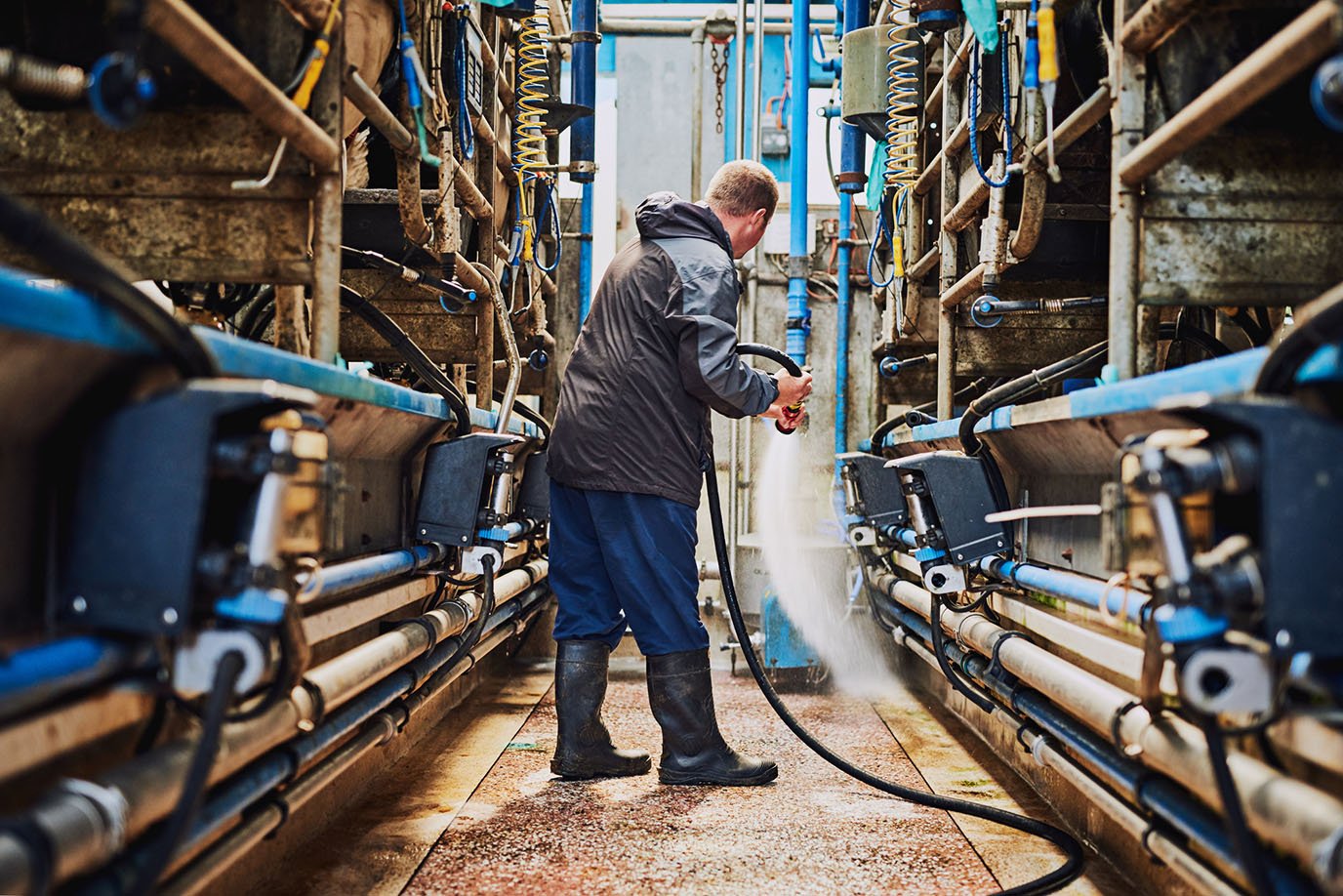
Almost every industry generates some form of wastewater, but the need for treatment becomes especially important in sectors that produce high volumes, complex contaminant profiles, or regulated discharges.
Industries generally require wastewater treatment for one or more of these reasons:
- Their wastewater contains pollutants that cannot be discharged directly to a municipal sewer.
- Their wastewater exceeds permitted limits for pH, metals, oils, organics, nutrients, or other contaminants
- They operate under strict industry-specific discharge regulations.
- Their wastewater fluctuates in volume and composition, requiring specialized management.
- They want water reuse options to reduce freshwater demand.
Here are some of the most common wastewater-producing industries. However, keep in mind that the real driver is not the industry label but the wastewater’s characteristics. Two facilities in the same sector may have very different wastewater challenges depending on processes, inputs, and operational practices.
Chemical Manufacturing
Metal finishing, machining, and manufacturing operations frequently produce wastewater containing heavy metals, oils, coolants, and suspended solids. These contaminants can be difficult to remove and often require multi-stage treatment.
Oil and Gas
Oil and gas wastewater includes produced water and other process-related streams that may contain salts, hydrocarbons, and other contaminants. In many regions, deep well injection, specialized treatment, and reuse are part of how the industry manages these wastewaters.
Food and Beverage
Food and beverage operations generate large volumes of wastewater with high organic load, fats, oils, grease, and nutrients. Because these facilities often operate continuously, wastewater treatment is essential for operational stability, regulatory compliance, and sustainability.
Pharmaceuticals and Healthcare
Pharmaceutical manufacturing and healthcare facilities can produce wastewater containing active compounds, disinfectants, and biohazard-related contaminants. Treatment may involve advanced filtration and disinfection strategies.
Pulp and Paper
Pulp and paper production can generate wastewater with high BOD, suspended solids, and chemical additives used in processing. Treatment often requires biological systems designed to handle high organic loads.
Electronics and Semiconductor Manufacturing
These facilities may generate wastewater containing acids, solvents, metals, and ultra-fine particulates. Wastewater treatment in this case often requires precise chemical control and advanced filtration.
Mining and Mineral Processing
Mining wastewater can contain suspended solids, heavy metals, acidity, and dissolved salts. Treatment needs vary widely depending on the mineral and extraction method.
How Does Wastewater Treatment Work?
Wastewater treatment works by separating contaminants from used water and then stabilizing or destroying what was removed. While every system is designed a little differently, most wastewater treatment processes follow the same basic logic:
- Remove what you can physically (solids, grit, oils, floating debris).
- Convert or remove what’s dissolved (organic matter, nutrients, salts, metals, chemicals).
- Disinfect and polish the water so it can be discharged or reused safely.
- Handle the residual waste (sludge, concentrates, filter media) in a compliant way.
The exact treatment plan depends heavily on what’s in the wastewater and where it’s going afterward. For example, wastewater being discharged to a municipal sewer may have different requirements than wastewater discharged to surface waters under a permit. Industrial wastewater streams can also differ dramatically; some require only pH adjustment, while others need multiple stages and advanced treatment.
From a high level, wastewater treatment typically occurs in the following stages.
Stage 1: Preliminary and Primary Treatment
Before deeper treatment begins, most facilities remove large debris and heavy solids that could damage equipment or interfere with downstream processes.
Common preliminary and primary steps include the following:
- Screening to remove rags, plastics, and large debris
- Grit removal to capture sand and heavy particles
- Oil and grease separation (often through skimming or dissolved air flotation)
- Primary clarification where solids settle and floating materials rise for removal
This stage doesn’t remove everything, but it reduces the physical load and makes later treatment more stable.
Stage 2: Secondary Treatment
Secondary treatment focuses on dissolved and suspended organic matter that cannot be removed by settling alone. Most municipal systems rely heavily on biological processes here. In these processes, microorganisms consume organic pollutants and convert them into biomass that can be separated from the water. This point is where the wastewater’s BOD is reduced.
Stage 3: Tertiary and Advanced Treatment
Tertiary treatment is used when a higher level of water quality is required such as when it may be needed due to strict discharge permits, sensitive receiving waters, water reuse objectives, or industrial contaminants.
Advanced treatment methods include filtration (sand filters, multimedia filters), membrane systems (microfiltration, ultrafiltration, nanofiltration, reverse osmosis), activated carbon adsorption, advanced oxidation (ozone, peroxide, ultraviolet [UV]), and nutrient removal processes (nitrogen and phosphorus reduction).
As wastewater regulations evolve, especially with contaminants like PFAS, this advanced stage is becoming more common in industrial treatment.
Stage 4: Disinfection and Discharge or Reuse
Before treated wastewater is discharged, many systems apply disinfection to reduce pathogens. Common disinfection methods include chlorine-based disinfection, UV light, and ozone.
After disinfection, the treated water may be discharged to surface waters under permit, sent to a municipal system, reused in industrial processes, or directed to specialized pathways such as zero liquid discharge (ZLD).
Stage 5: Residuals Management
Every treatment step produces a residual stream. Solids become sludge. Filter media becomes spent material. Membrane systems produce concentrates. Activated carbon becomes loaded with contaminants. Managing these residuals is part of wastewater treatment, and it often determines the true environmental outcome.
What Are the Different Types of Wastewater Treatment Methods
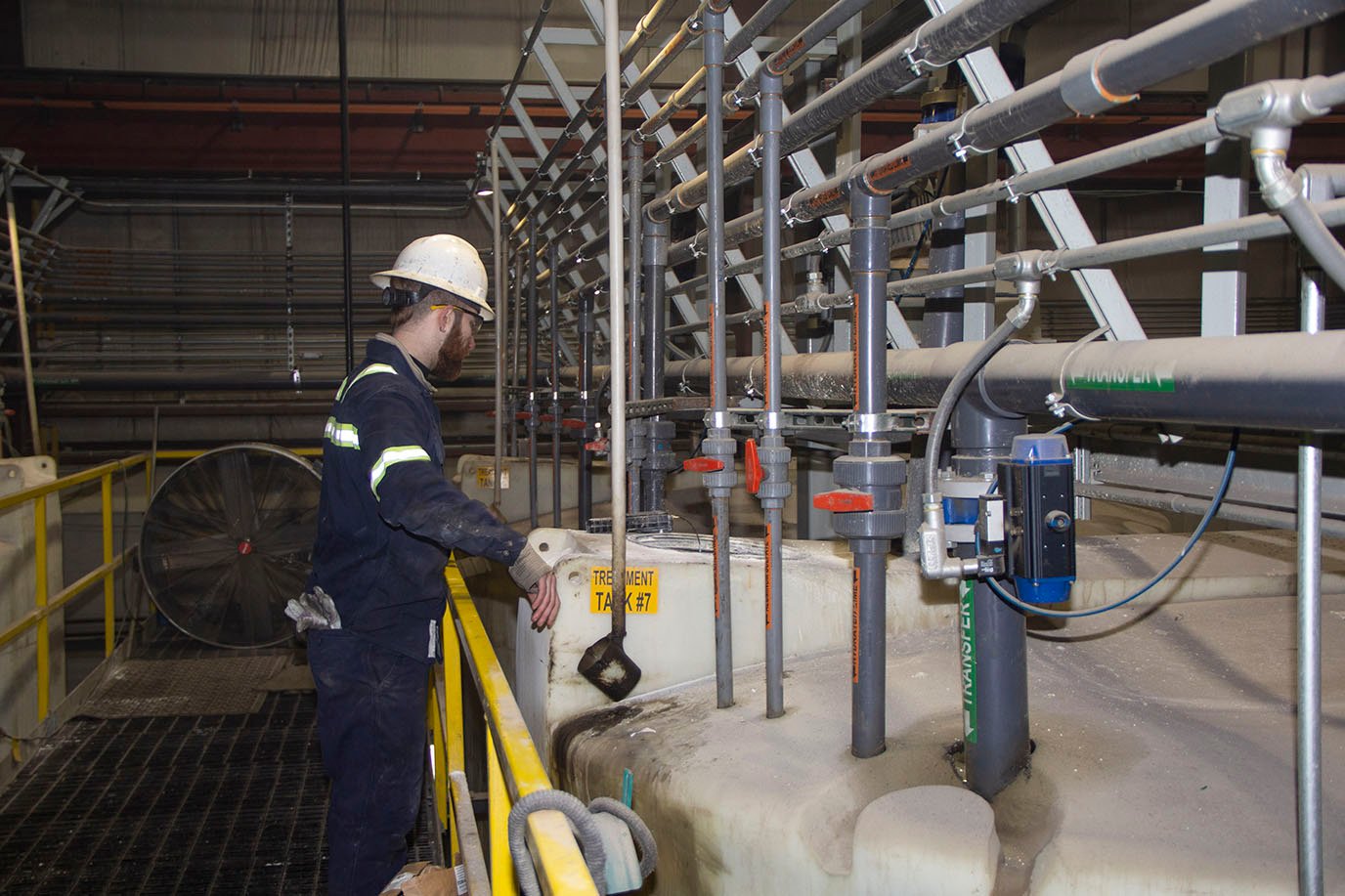
Wastewater treatment methods generally fall into three main categories: physical treatment (separating contaminants by size, weight, or phase), chemical treatment (using chemical reactions to neutralize, precipitate, or bind contaminants), or biological treatment (using microorganisms to break down organic matter and transform nutrients)
Most wastewater treatment systems use a combination of all three. Physical processes usually come first, chemical treatment is often used for targeted contaminants or conditioning, and biological systems are used when organic matter needs to be reduced.
In industrial settings, these categories are often combined in different ways depending on the wastewater profile. For example, a metal finishing facility may rely more heavily on chemical precipitation and filtration, while a food processing facility may rely on biological treatment due to high organic load.
Let’s break each method down and explore what it does and where it fits.
What Is Physical Wastewater Treatment?
Physical wastewater treatment uses mechanical processes to remove contaminants without changing their chemical structure. It focuses on separating solids, oils, and other materials from water based on size, density, buoyancy, or filtration characteristics.
Physical treatment is often the first line of defense because it protects downstream equipment and reduces the overall treatment load. Common physical wastewater treatment processes include the following:
- Screening: Removes large debris such as plastics, rags, and fibrous materials
- Filtration: Uses media filters or membranes to remove fine particles
- Grit removal: Captures sand, gravel, and heavy particulates that can damage pumps and pipes
- Sedimentation (clarification): Allows heavier solids to settle out in tanks
- Skimming: Removes floating oils, greases, and scum
- DAF: Uses air bubbles to lift suspended solids and oils to the surface for removal
Physical treatment can remove a substantial portion of suspended solids and oils, but it typically does not remove dissolved contaminants such as nutrients, salts, or most chemicals. In many systems, physical treatment is paired with chemical and biological treatment to achieve discharge requirements.
What Is Chemical Wastewater Treatment?
Chemical wastewater treatment uses controlled chemical reactions to remove contaminants or adjust wastewater conditions so that other treatment processes work more effectively. This method is common in both municipal and industrial settings, but it is especially important for industrial wastewater where contaminants like heavy metals, emulsified oils, or extreme pH must be managed.
Chemical wastewater treatment processes include the following:
- pH adjustment (neutralization): Adds acids or bases to bring wastewater into a safe pH range
- Chemical precipitation: Converts dissolved metals or phosphorus into solid forms that can be separated
- Oxidation and reduction reactions: Breaks down certain contaminants or changes them into less harmful forms
- Disinfection chemistry: Uses chlorine or other chemicals to reduce pathogens
- Coagulation and flocculation: Adds coagulants and polymers to bind small particles together into larger flocs that can settle or float
Chemical treatment is often used as a targeted tool. For example, if a wastewater stream contains high phosphorus levels, chemical precipitation may be used to pull that phosphorus out before discharge. If a stream contains heavy metals, chemicals can convert dissolved metals into solids for removal.
Chemical treatment can be highly effective, but it also creates residuals such as chemical sludge that must be handled and disposed of appropriately.
What Is Biological Wastewater Treatmenent
Biological wastewater treatment uses naturally occurring microorganisms to break down organic pollutants and transform certain nutrients. It is one of the most widely used methods in municipal wastewater treatment and is also common in industries that produce wastewater with high organic content.
In biological treatment systems, bacteria and other microorganisms consume organic matter in wastewater as a food source. As they metabolize that material, they convert it into new biomass, carbon dioxide, water, and other byproducts that can be separated from the treated water.
Biological treatment is especially effective for reducing BOD, reducing chemical oxygen demand (COD), and treating wastewater with high levels of organic matter (food processing, beverage production, pulp and paper, etc.).
Examples of common biological wastewater treatment systems include the following:
- Activated sludge systems: Mixes wastewater with microorganisms in aeration tanks, then solids are settled out
- Trickling filters: Causes wastewater to flow over media where microorganisms grow and consume organics
- Oxidation and reduction reactions: Breaks down certain contaminants or changes them into less harmful forms
- Sequencing batch reactors (SBRs): Treats in timed stages within a single tank
- Membrane bioreactors (MBRs): Combines biological treatment with membrane filtration for higher-quality effluent
- Anaerobic digestion: Uses microorganisms that operate without oxygen, often producing biogas as a byproduct
Biological treatment is powerful, but it is sensitive to changes in wastewater composition. Extreme pH, toxic chemicals, high salinity, or sudden spikes in pollutant load can disrupt biological systems. That sensitivity is one reason industrial wastewater often requires careful characterization, conditioning, or pre-treatment before biological systems can be applied.
What Are the Stages of Wastewater Treatment?
While the exact design varies by plant type and wastewater source, most wastewater treatment systems follow the same overall progression of stages: preliminary treatment, primary treatment, secondary treatment, and tertiary treatment. These stages are not always strictly separated into different tanks or processes, especially in smaller plants. Some systems combine stages, while others add advanced steps depending on discharge requirements.
What Is Preliminary Treatment of Wastewater?
Preliminary wastewater treatment is the first stage of the process. Its purpose is to remove large materials and heavy inorganic particles that could damage equipment, clog pipes, or interfere with downstream treatment.
Think of preliminary treatment as wastewater protection and preparation. It doesn’t address dissolved contaminants, but it creates stable conditions for the rest of the treatment train.
Common preliminary treatment processes include the following:
- Bar screens and fine screens: Removes large solids such as rags, plastics, wood, and other debris
- Grit chambers: Filters out sand, gravel, cinders, and other heavy particles
- Comminutors (in some plants): Grinds up solids that pass through screening
In industrial facilities, preliminary treatment may also include storage or equalization to reduce wastewater intensity and stabilize flows. Additionally, preliminary treatment is especially important for municipal plants because sewer systems collect a wide mix of materials, including items that were never meant to go down a drain.
What Is Primary Treatment of Wastewater?
Primary treatment is the stage where wastewater is held in tanks long enough for solids to settle out and lighter materials to rise to the surface. The goal is to remove settleable solids (sludge), some suspended solids, and floating oils, grease, and scum.
Primary treatment relies primarily on gravity and physical separation, not chemical or biological transformation. In a primary clarifier (settling tank), wastewater flows slowly through the basin. Heavier solids fall to the bottom and are collected as sludge, while lighter oils and greases rise to the top and are skimmed off. Primary treatment can remove a meaningful portion of total suspended solids and biological oxygen demand (BOD), but it does not remove dissolved organic matter, nutrients, or most chemicals.
In municipal treatment plants, primary treatment often feeds directly into secondary biological treatment. In industrial settings, primary treatment may include additional physical and chemical processes such as DAF to remove emulsified oils and suspended solids, chemical conditioning to improve separation, and oil-water separation systems.
What Is Secondary Treatment of Wastewater?
Secondary treatment is designed to remove dissolved and suspended organic matter that remains after primary treatment. It’s where wastewater treatment shifts from simple separation to biological transformation.
Organic pollutants in wastewater increase BOD. If discharged untreated, microorganisms in natural waterways consume oxygen as they break down the waste, lowering oxygen levels and harming aquatic life.
Secondary treatment reduces BOD and helps stabilize wastewater before it is discharged or moved to further polishing. It typically uses microorganisms to consume organic material in the wastewater. As they break down that material, they convert it into biomass that can be separated from the treated water.
Municipal plants commonly use activated sludge systems (aeration tanks + secondary clarifiers), trickling filters, SBRs, and aerated lagoons. Industrial systems may also use biological processes, but they often require pretreatment and monitoring because biological treatment can be disrupted by toxic chemicals, extreme pH, high salinity, or inconsistent wastewater loads.
What Is Tertiary Treatment of Wastewater?
Tertiary treatment, sometimes called advanced treatment, is used when wastewater needs a higher level of purification before discharge or reuse. This stage targets fine suspended solids that escape earlier clarifiers, nutrients such as nitrogen and phosphorus, dissolved salts and certain metals, trace organic contaminants, and emerging pollutants (in some applications).
Tertiary treatment is not always required for basic municipal discharge, but it becomes necessary in many situations, including discharge into sensitive ecosystems, stricter permit limits on nutrients, industrial wastewater with complex contaminants, and water reuse programs.
Tertiary treatment may involve the following technologies:
- Filtration (sand, multimedia, or cloth filters)
- Membrane filtration (microfiltration, ultrafiltration)
- Reverse osmosis or nanofiltration for dissolved contaminants
- Activated carbon adsorption for certain organics and PFAS-related applications
- Advanced oxidation processes (UV, ozone, peroxide)
- Nutrient removal systems (biological nutrient removal or chemical precipitation)
Treatment of wastewater to remove micropollutants like pharmaceuticals, hormones and pesticides is sometimes referred to as quaternary wastewater treatment. Key technologies labelled in this way include reverse osmosis, nanofiltration, and advanced oxidation processes.
Tertiary (and quaternary) treatment is where wastewater treatment begins to overlap with water reclamation. In some cases, advanced treatment produces water clean enough for industrial reuse, and in specialized systems, clean enough for indirect potable reuse.
What Does Advanced Wastewater Treatment Involve?
Advanced wastewater treatment involves going beyond conventional primary and secondary treatment to remove contaminants that are difficult to capture through settling and basic biological processes. It is used when discharge limits are stricter, when the receiving water body is environmentally sensitive, when industrial pollutants are present, or when treated water will be reused.
In practical terms, advanced treatment is about producing a higher-quality effluent and managing contaminants that may exist at very low concentrations but still carry regulatory or environmental risk. It is commonly applied to the following:
- Nutrients such as nitrogen and phosphorus (to prevent eutrophication)
- Trace organics such as solvents, pesticides, and industrial byproducts
- Dissolved salts and total dissolved solids (TDS)
- Metals that may remain after primary separation
- Emerging contaminants such as PFAS in some applications
This stage often includes additional steps like fine filtration, adsorption, membrane separation, or advanced oxidation.
Advanced treatment is also where wastewater treatment can shift from “disposal” thinking to “recovery” thinking. In some systems, advanced treatment makes it possible to reuse water for industrial processes, cooling, irrigation, or other non-potable applications, which helps reduce demand on freshwater resources.
What Are Some Advanced Wastewater Treatment Technologies?
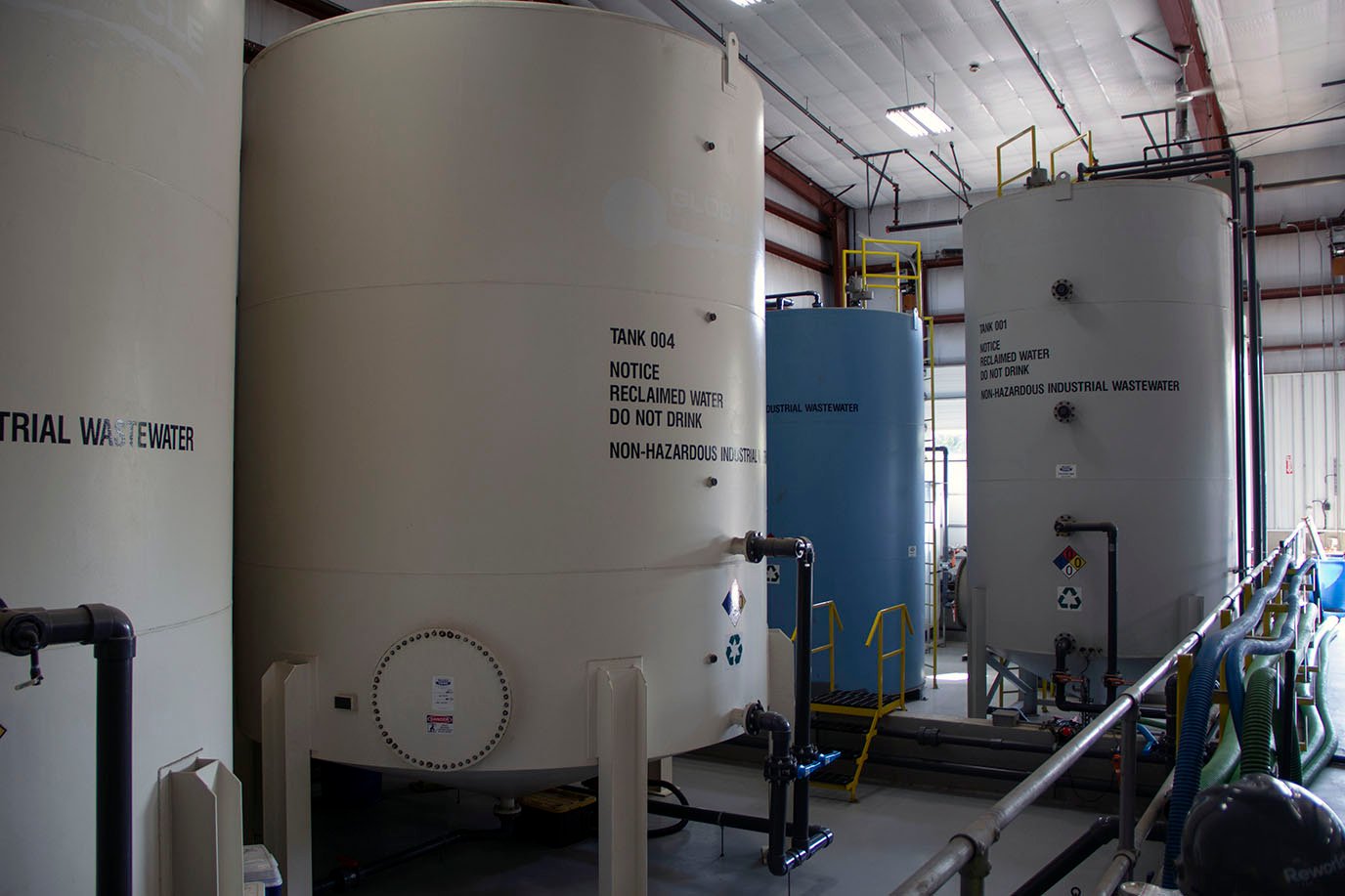
Advanced wastewater treatment can involve many different technologies depending on what contaminants need to be removed. Some are designed to physically separate dissolved materials. Others rely on adsorption, chemical reactions, biological nutrient removal, or energy-driven processes.
Here are some of the most widely used and emerging advanced treatment technologies.
Membrane Filtration (Microfiltration, Ultrafiltration)
Membrane filtration removes very fine suspended solids and some microorganisms. These systems act as a barrier, allowing water to pass through while retaining particles. Membranes are often used to improve clarity, protect downstream systems, and reduce pathogens.
Reverse Osmosis (RO) and Nanofiltration (NF)
RO and NF are pressure-driven membrane processes that remove dissolved contaminants including salts, metals, and many organic molecules. These technologies can produce very clean effluent, which is why they are used in water reuse and desalination applications.
The challenge is that they also produce a concentrated waste stream (brine) containing the contaminants that were removed. Small highlights this issue in the context of PFAS: reverse osmosis can clean the water, but “you end up with a concentrate of PFAS that needs to be managed.”
Activated Carbon Adsorption
Carbons have the ability to absorb organics and hydrocarbons onto the surface and separate those from the liquid. Because the carbon becomes loaded with contaminants, it must be managed as a waste stream, often through regeneration or thermal destruction.
Granulated activated carbon (GAC) is widely used to remove organic compounds by adsorption. It is especially relevant in PFAS management and treatment of certain industrial organics.
Ion Exchange
Ion exchange resins remove dissolved ions such as nitrates, metals, hardness, and some PFAS compounds. These systems can be very effective at targeting specific contaminants, particularly when influent levels are moderate. Like carbon, ion exchange media becomes spent and must be regenerated or disposed of appropriately.
Advanced Oxidation Processes (AOPs)
Advanced oxidation processes use highly reactive species (often hydroxyl radicals) to break down complex organic molecules that are difficult to treat biologically. AOPs are often used to address trace organics, industrial chemicals, and odor-causing compounds. Common approaches include ozone, UV + hydrogen peroxide, and ozone + peroxide.
Biological Nutrient Removal (BNR)
BNR is an advanced biological approach used to reduce nitrogen and phosphorus. It can reduce nutrient discharge in sensitive regions and is often used to meet strict permit limits. These systems create controlled environments where specific microbial populations convert ammonia into nitrate (nitrification) and then into nitrogen gas (denitrification).
Thermal Treatment for Difficult Contaminants
In cases where wastewater contains contaminants that are extremely difficult to separate or destroy through conventional treatment, thermal treatment can serve as a final pathway. For example, PFAS destruction requires very high temperatures: “Increasing the temperature above 1,800°F eliminates a high percentage of PFAS,” Small says.
Thermal treatment is not a typical water purification technology. It’s a destruction pathway used when contamination is extensive, compliance limits are strict, or the wastewater is unsuitable for discharge or reuse.
Emerging Technologies (Cold Plasma, UV-Based Bond Breaking)
Some emerging technologies are being explored to break down persistent contaminants such as PFAS. Cold plasma or ultraviolet light breaks the bonds and eliminates some of the smaller PFAS components. Many of these technologies are still being validated for cost and performance at large scale, but they represent an important area of innovation as regulations tighten.
How Long Does Wastewater Treatment Take?
The time required to treat wastewater depends on the type of wastewater, the treatment technologies used, and the design of the plant, particularly the retention time of tanks and reactors. It can take anywhere from six to 48 hours or more and depends on a variety of factors.
Some wastewater streams move through basic processes relatively quickly. Others require multiple stages, longer biological residence times, or specialized advanced treatment steps.
In municipal wastewater treatment plants, treatment time may range from several hours to more than a day depending on plant size and process configuration. Industrial wastewater treatment varies even more, especially when wastewater composition is inconsistent. Certain streams may require testing, equalization, staged chemical treatment, and multiple separation steps.
It’s also important to recognize that “treatment time” can mean different things:
- Hydraulic retention time (HRT): how long the water stays in a tank or system
- Operational turnaround time: how long it takes to test, process, and confirm acceptability of a wastewater load
- Total lifecycle time: how long residuals (sludge, concentrates) take to be stabilized, transported, or disposed of
For industries using off-site treatment, overall time may also include logistical timelines: transport, scheduling, and documentation.
What Happens to Wastewater After Treatment?
Wastewater treatment doesn’t end at the plant outlet. The true outcome includes where the treated water goes, how residual waste is managed, and whether the process supports reuse, destruction, or discharge in a way that aligns with regulations and sustainability goals.
After treatment, wastewater can follow several different pathways depending on the type of facility, permit requirements, and the quality of the treated water.
Discharge to a Municipal Wastewater System
Many commercial and industrial facilities discharge treated wastewater to a municipal treatment plant once it meets local pretreatment standards. In these cases, the municipal system becomes the final treatment and discharge pathway.
Discharge to Surface Waters Under a Permit
Some wastewater treatment plants discharge directly to rivers, lakes, or other surface waters under a regulatory permit. These permits define discharge limits and monitoring requirements to protect the receiving water body.
Water Reuse for Industrial or Non-Potable Applications
Treated wastewater may be reused for cooling water, scrubber makeup, industrial process water, irrigation, or dust control. Reuse depends on water quality requirements and local regulations. In some industries, reuse also becomes part of sustainability planning because it reduces demand for fresh water.
Zero Liquid Discharge
In ZLD systems, wastewater is treated and then evaporated so that no liquid is discharged. Water is recovered as vapor/condensate, and solids are managed separately. ZLD is often used in remote locations, high-salinity applications, or cases where discharge options are limited. In certain settings, such as areas with strict discharge constraints, ZLD may be required.
Deep Well Injection
Deep well injection is a disposal pathway used for certain wastewater streams, especially in oil and gas, where treated liquids are injected into deep geological formations. Wastewater is treated and then reinjected into the earth for sequestration, which can render certain contaminants inert or mineralized.
Thermal Destruction and Evaporation-Based Elimination
Some wastewater streams are too challenging to discharge or reuse. In these cases, wastewater may be sent to thermal treatment, where contaminants are destroyed and water is evaporated. During thermal treatment, the water evaporates, which completely eliminates the challenging component.
How Much Does Wastewater Treatment Cost?
Wastewater treatment costs vary widely because no two wastewater streams are exactly the same. The price depends on the volume of wastewater, what contaminants are present, how difficult those contaminants are to remove, and what discharge or reuse standards must be met.
At a high level, costs tend to be lower when:
- The wastewater composition is stable and predictable
- The contaminant profile is well understood
- The treatment steps are relatively simple (for example, pH adjustment and basic solids removal)
- The wastewater can be discharged to a municipal system after meeting pretreatment standards
Costs rise when:
- The wastewater stream is highly variable
- Multiple contaminants require multiple stages of treatment
- Advanced processes like membranes, carbon adsorption, or oxidation are needed
- Residuals (sludge, concentrates, spent media) require specialized handling or destruction
- The final disposal pathway is complex (for example, ZLD or thermal destruction)
Industrial wastewater costs often span a wide range. In some cases, the cost may be only a few cents per gallon when the treatment needs are simple. For challenging wastewaters requiring multi-stage treatment—especially those with persistent compounds—the cost can rise substantially.
What Are the Costs Associated with Wastewater Treatment?
When people think of wastewater treatment costs, they often focus on the core treatment process. But the full cost picture includes everything required to safely manage wastewater from the moment it is generated to the point where treated water and residual waste are handled in compliance.
Consider these common cost categories in wastewater treatment.
Wastewater Characterization and Testing
Before treatment begins, wastewater needs to be understood. Testing determines pH, solids, metals, organics, nutrients, salinity, and potential hazardous constituents. For variable industrial streams, testing may happen repeatedly because composition changes over time.
Capital Equipment and Infrastructure (for On-Site Systems)
For businesses that treat wastewater on-site, capital costs can be significant. These can include tanks, clarifiers, storage systems, pumps and piping, filtration or membrane equipment, chemical dosing systems, instrumentation, monitoring systems, and building and civil construction. Capital cost also includes design engineering, permitting, and startup.
Operating Costs (Energy, Chemicals, Consumables)
Day-to-day operating expenses typically include energy for pumps, blowers, mixers, and membranes; chemicals for pH adjustment, coagulation, precipitation, and disinfection; filters and filter media replacements; activated carbon, ion exchange resin, or membrane replacement (when used); and labor and staffing.
Sludge, Residuals, and Disposal Costs
Almost every treatment process generates waste that must be managed. Residual costs can include dewatering and hauling sludge, disposal of sludge at permitted sites, management of brines or membrane concentrates, disposal or thermal destruction of spent carbon, and solidification, stabilization, or incineration of hazardous residuals. In many cases, residual disposal becomes one of the largest cost drivers, especially when contaminants are persistent, highly regulated, or difficult to destroy.
Compliance, Reporting, and Monitoring
Wastewater treatment requires ongoing monitoring and documentation, often including sampling schedules, analytical testing, permit reporting, operator training, maintenance, and inspections. Regulatory compliance is also part of the operating cost, and requirements vary by region.
Logistics and Transportation (for Off-Site Treatment)
For off-site wastewater treatment, transportation and logistics are often part of the total cost. That can include vacuum trucks or tankers, scheduling and handling, manifesting and documentation, and transfer stations or staging. In urgent situations—such as a containment area filling during heavy rain—mobilizing equipment and trucks quickly can also influence cost.
Risk and Contingency Planning
Wastewater treatment systems must be designed with safety and resilience in mind. Contingency capacity, backup equipment, and emergency response readiness all affect costs, but they also reduce downtime and environmental exposure.
What Should Businesses Look for in a Wastewater Treatment Service Provider?
Selecting a wastewater treatment service provider requires choosing a partner that can manage risk, meet regulatory requirements, provide transparency, and solve complex challenges reliably. The best providers offer end-to-end capability, from analyzing the wastewater to managing logistics, treatment, documentation, and final disposition.
Here are key factors to look for.
Strong Technical Expertise and Problem-Solving Ability
Wastewater treatment is rarely plug-and-play, especially for industrial wastewater. A provider should be able to test and characterize wastewater, identify the right treatment approach, and adjust when conditions change. It’s important to find experts that have experience with the wastewater treatment process from end to end and knowledge of the regulatory requirements in the region.
Deep Regulatory and Permitting Knowledge
Regulations drive wastewater treatment requirements, and these requirements vary by state and municipality. A provider should understand discharge permits and limits, pretreatment requirements, waste profiling and documentation requirements, and reporting expectations. This knowledge is essential not only for compliance but also for protecting a customer’s operations and reputation.
Transparent Documentation and Reporting
Many customers want clarity on where their wastewater went and how it was managed. For larger organizations, reporting also supports sustainability programs and ESG commitments. A strong provider should offer certificates of treatment or disposal, documentation aligned with manifesting and compliance needs, and clear communication about fate and disposition of waste streams.
Reliability and Responsiveness
Wastewater issues often come with operational urgency. Providers should be able to respond quickly when a facility needs immediate removal, when weather events create containment risk, or when operations cannot stop. Responsiveness is especially important for industrial customers that must avoid overflow, production downtime, or compliance exposure.
End-to-End Logistics and Operational Coordination
Wastewater treatment includes collection, transport, safe handling, and coordination with municipalities or final disposal pathways. A provider should be able to manage these logistics and communicate clearly throughout the process.
Clear Understanding of Fate and Disposal Options
Some customers care deeply about the final fate of their wastewater and associated residuals. In contractual discussions, it’s worth asking questions such as the following:
- Will the water be discharged to a municipal system?
- Will it be discharged to surface waters under permit?
- Will it be treated for reuse?
- Will it go through zero liquid discharge?
- Will residuals be landfilled, incinerated, or destroyed thermally?
Clients often want to understand the fate or the direction of the material, and many organizations want the process to align with sustainability goals such as landfill avoidance or beneficial reuse.
Capability Across Multiple Treatment Pathways
Wastewater streams change over time, and regulations change as new contaminants become a priority. A provider with diverse capabilities, ranging from basic pretreatment to advanced treatment and final disposal pathways, can help customers adapt without constantly changing vendors.
How Can Reworld Help with Wastewater Treatment Solutions?
Wastewater treatment challenges don’t look the same across industries, regions, or wastewater streams. Some facilities generate relatively consistent wastewater that only needs straightforward conditioning. Others manage highly variable liquids with complex contaminant profiles, evolving regulatory requirements, and limited discharge options.
At Reworld, we support customers across that spectrum through ReDrop®, our wastewater treatment solution. We created this set of services to help businesses manage industrial wastewater from end to end, including characterization and testing, collection and transportation, treatment and compliance, and clear documentation around the fate of the wastewater and any residuals generated. Our wastewater services also connect with a broader environmental services platform, which can be particularly valuable when a wastewater stream requires alternative treatment pathways such as thermal destruction, solidification, or specialized disposal.
Reworld helps businesses and communities solve wastewater challenges in a variety of ways.
Implementing Advanced Wastewater Treatment Technologies
As wastewater regulations evolve and contaminants become harder to manage, many organizations need advanced treatment strategies—not only to meet discharge requirements, but also to reduce risk and improve long-term sustainability outcomes.
Reworld supports advanced wastewater treatment through ReDrop and a combination of technical capability and operational flexibility. Depending on the wastewater stream, our approach may include technologies such as advanced separation and filtration approaches, activated carbon systems for certain contaminants, multi-stage treatment trains for variable industrial liquids, or specialized pathways when wastewater is too challenging for conventional discharge.
Our ability to manage a wide variety of industrial wastewater types is especially important for facilities dealing with emerging contaminants such as PFAS, where treatment and residual management need to be evaluated together.
Optimizing Water Recycling and Reuse Processes
Water reuse is becoming more important as freshwater resources face increasing pressure, and industries look for stability in their water supply. When reuse is viable, it can reduce freshwater withdrawals, lower disposal burden, and support corporate sustainability goals.
Reworld helps customers explore wastewater recycling and reuse options through ReDrop when the wastewater stream and local requirements make it feasible. In many cases, reuse involves separating out contaminants so water can be directed into another industrial application.
Sustainability and Environmentally Responsibility in Wastewater Management
Wastewater management is a major part of environmental responsibility because it directly affects local water quality and the broader water lifecycle.
As part of ReDrop, we support sustainability in wastewater management through multiple pathways, such as treating wastewater for discharge that aligns with municipal and regional requirements, reducing landfill dependency through alternative treatment pathways, and supporting beneficial reuse when wastewater is suitable for industrial applications.
Safety, Compliance, and Risk Reduction for Wastewater Operations
Wastewater treatment is tightly connected to regulatory compliance, and the risks of improper handling can be significant, ranging from operational disruption to permitting violations to reputational damage.
Reworld helps customers reduce these risks by supporting wastewater characterization and profiling, treatment pathways aligned with local permit requirements, operational coordination and safe handling, and documentation that confirms the wastewater was treated and disposed of appropriately.
In addition to standard service needs, Reworld can support customers in urgent situations. We pride ourselves on our ability to respond rapidly when wastewater needs must be addressed quickly. When heavy rain events fill containment areas, operational urgency requires immediate wastewater removal, or spill-related contact water needs off-site treatment, we’re ready to help.
Resource Recovery and Circular Economy from Wastewater Streams
Wastewater streams can sometimes serve as inputs to other industrial systems, creating value through recovery pathways that support circular economy outcomes.
Beneficial reuse is one part of that picture, but recovery can also involve capturing hydrocarbons or oil from suitable streams and routing residual organics to TTFs or WTE sites, where they can contribute to energy generation instead of disposal. The right pathway depends on stream chemistry, separation potential, and receiving facility specifications.
Reworld helps evaluate when recovery is feasible and can coordinate the treatment, logistics, and documentation needed to support recovery outcomes alongside compliance.
Tailored Wastewater Solutions for Different Industries
Different industries generate wastewater with very different characteristics. Even within the same industry category, two facilities may require completely different treatment trains based on processes, raw materials, and local discharge requirements.
Reworld works with many of the highest wastewater-producing industry segments in the U.S., such as chemical manufacturing, metals and manufacturing, oil and gas, and food and beverage. These segments generate high volumes and complex wastewater streams.
Rather than applying a single solution model, we create tailored treatment strategies based on wastewater characteristics, logistics needs, compliance requirements, and the customer’s goals around sustainability and reuse.
Monitoring, Reporting, and Performance Metrics for Wastewater Systems
Transparency and documentation are increasingly important in wastewater management. Many organizations want visibility into how wastewater was treated and how the outcomes support environmental goals.
Through ReDrop, we provide documentation on a liquid-by-liquid basis, including certificates that reflect how wastewater was managed. And thanks to our broader water initiative, we are developing value generation reporting that can provide annual summaries to support customer sustainability programs. This type of reporting can help businesses track volume managed over time, treatment pathways used (municipal discharge, thermal destruction, beneficial reuse, etc.), documentation aligned with compliance requirements, and sustainability outcomes tied to wastewater handling.
As ESG expectations grow, these reporting capabilities become an increasingly valuable part of wastewater partnerships.